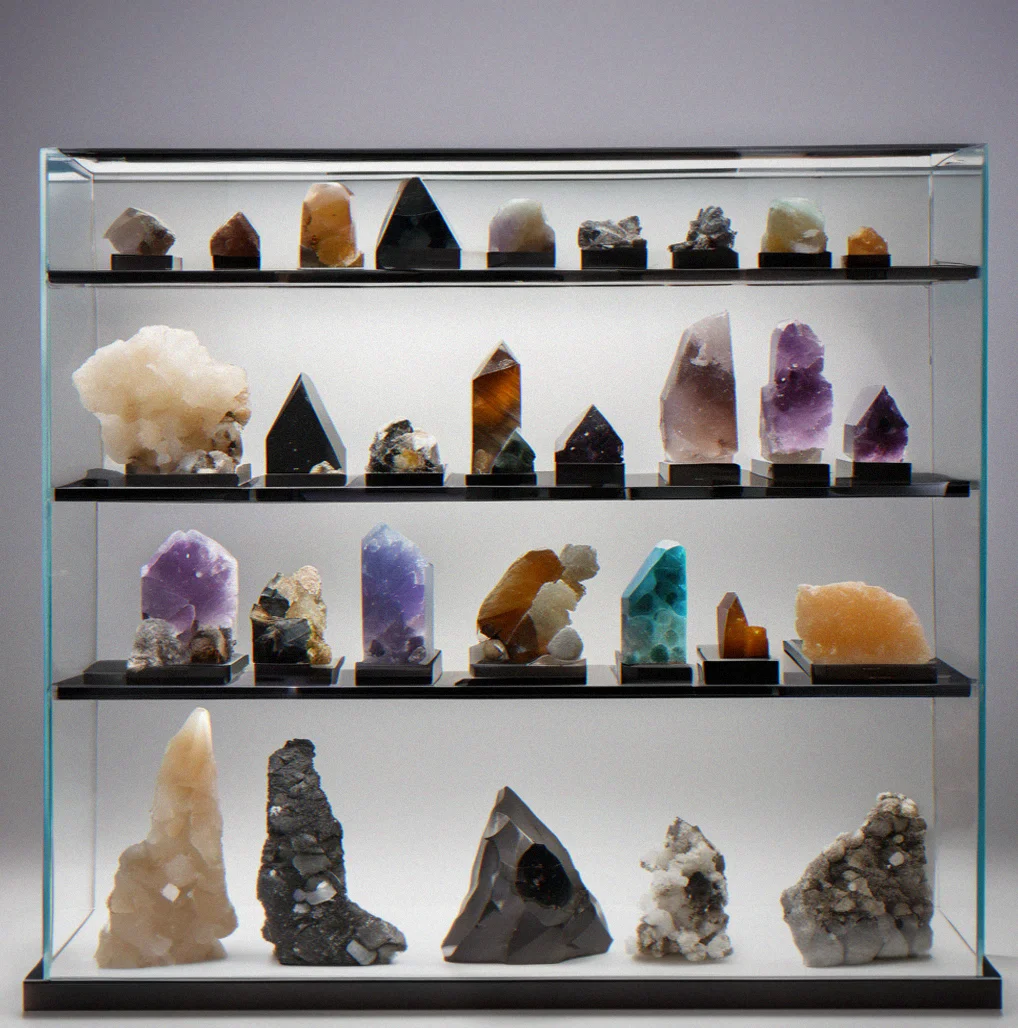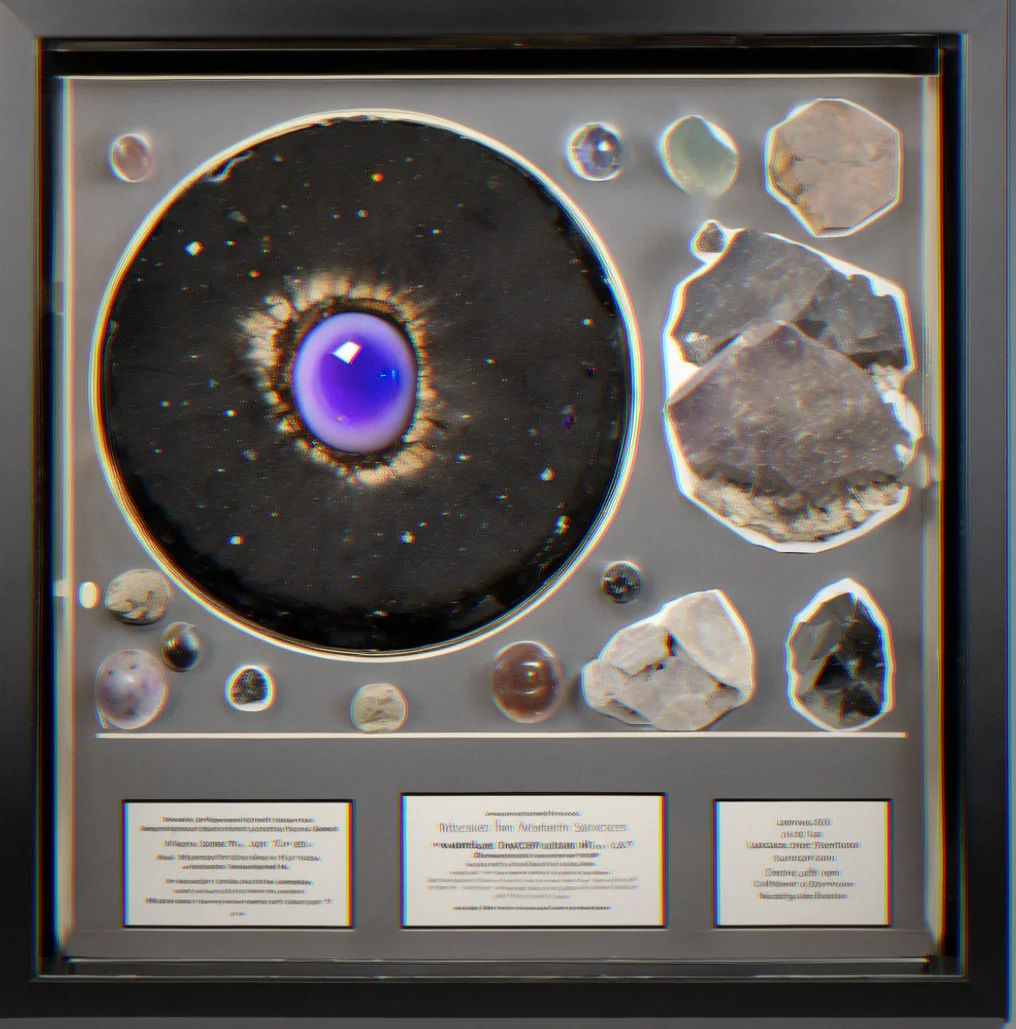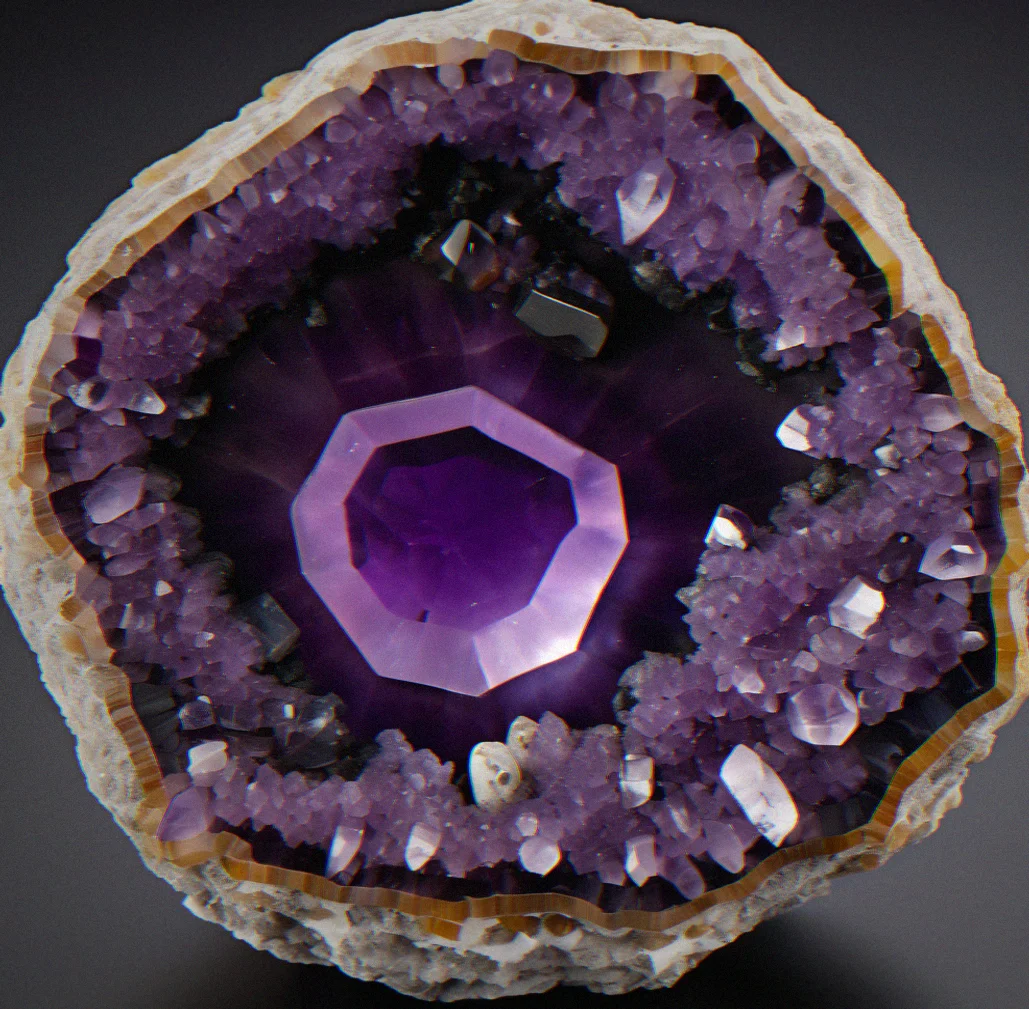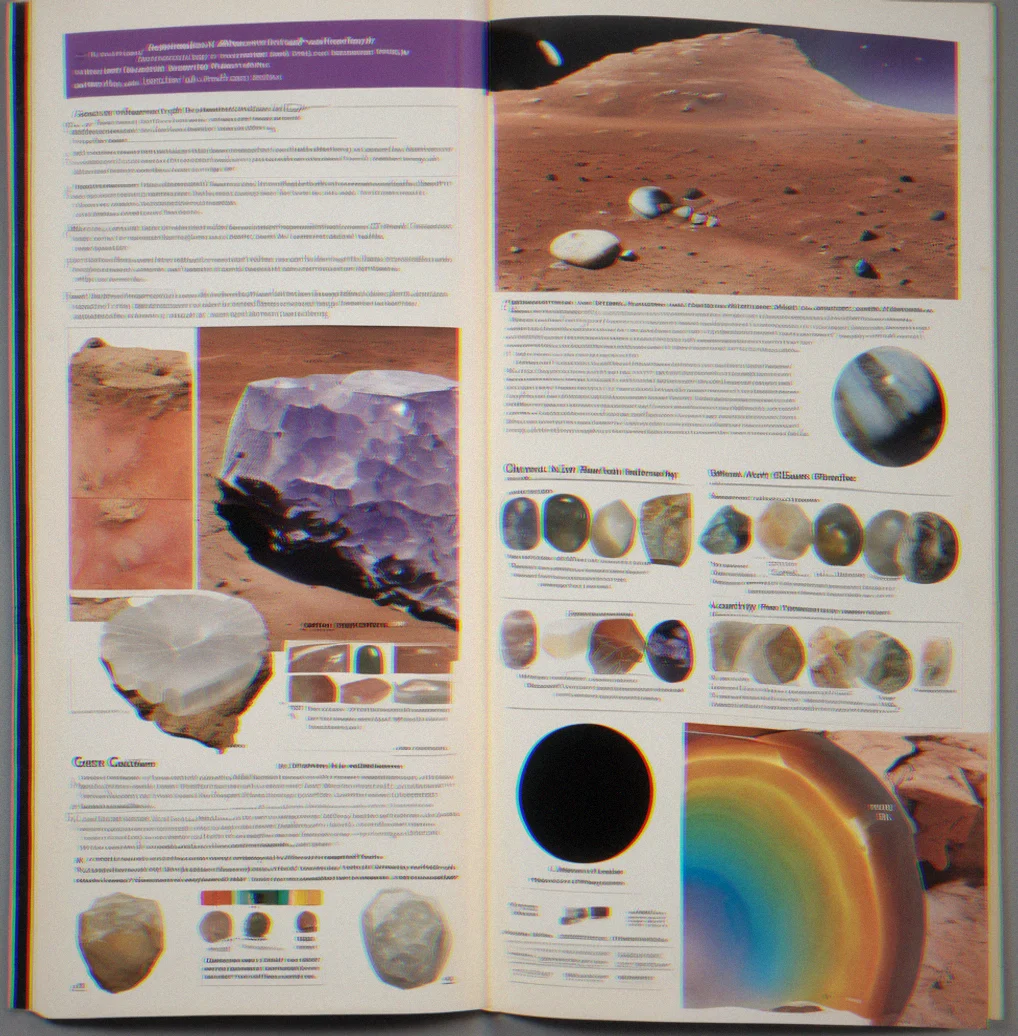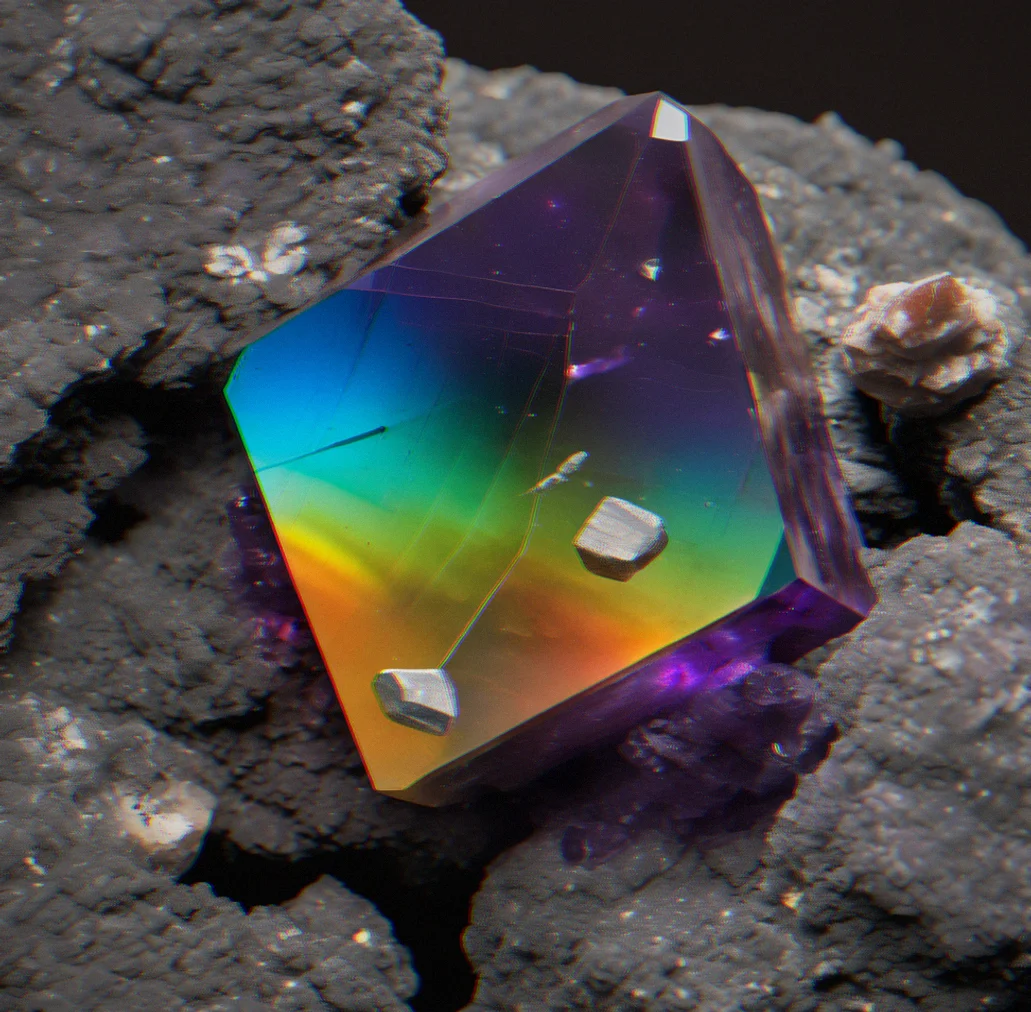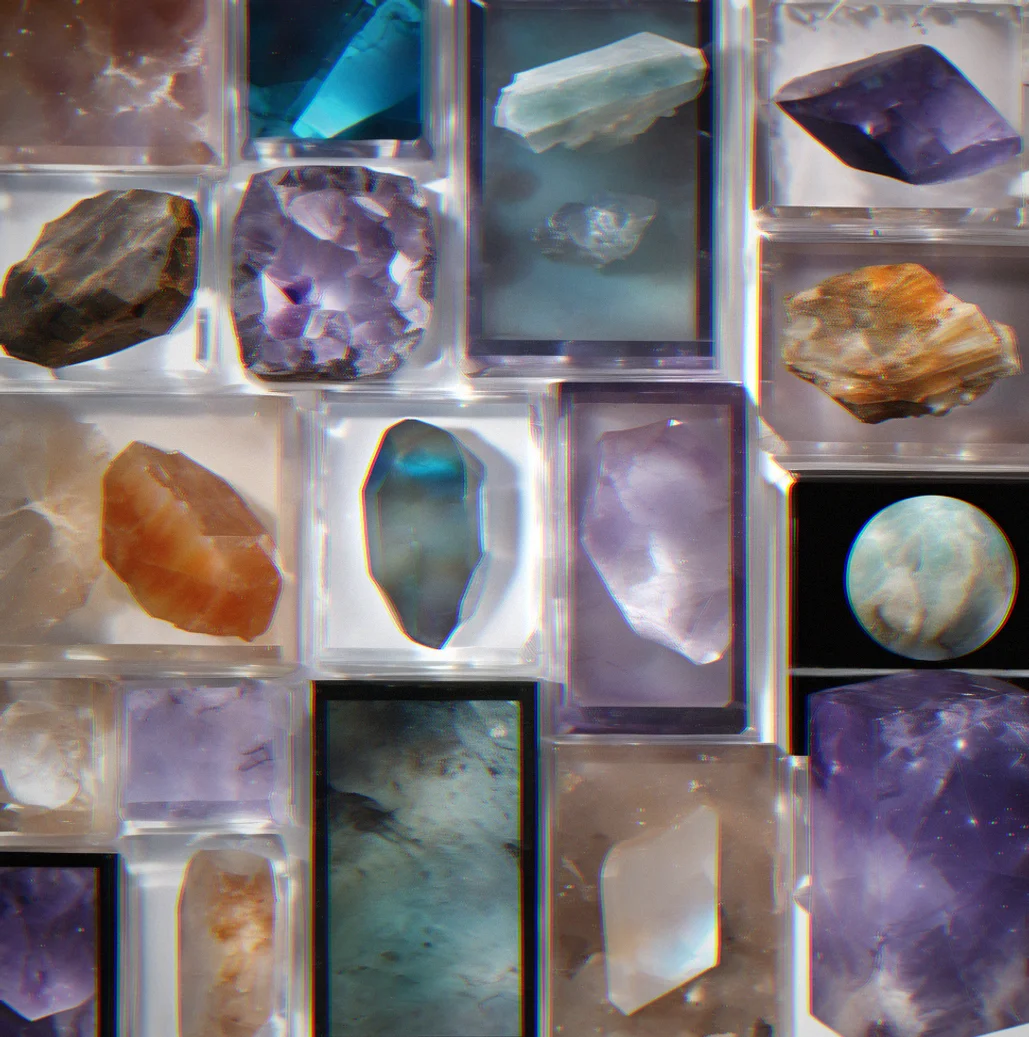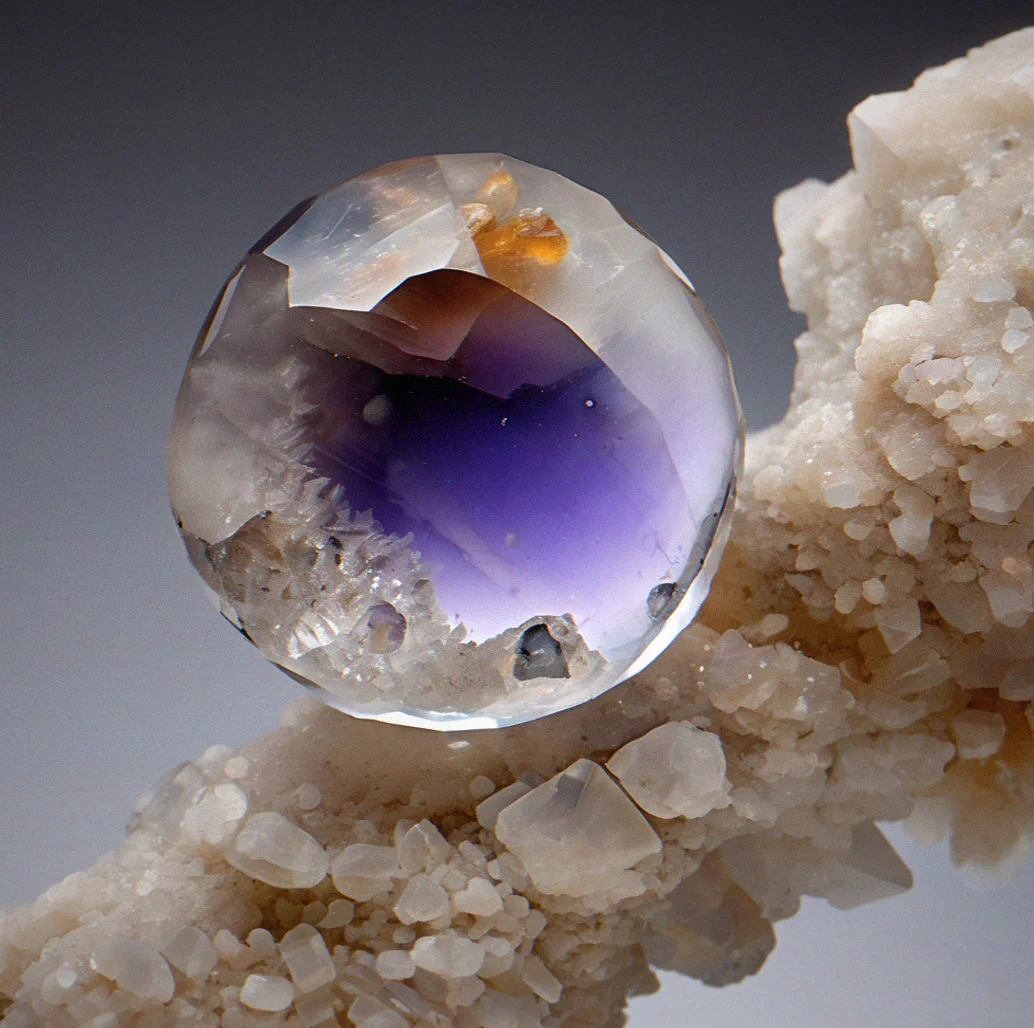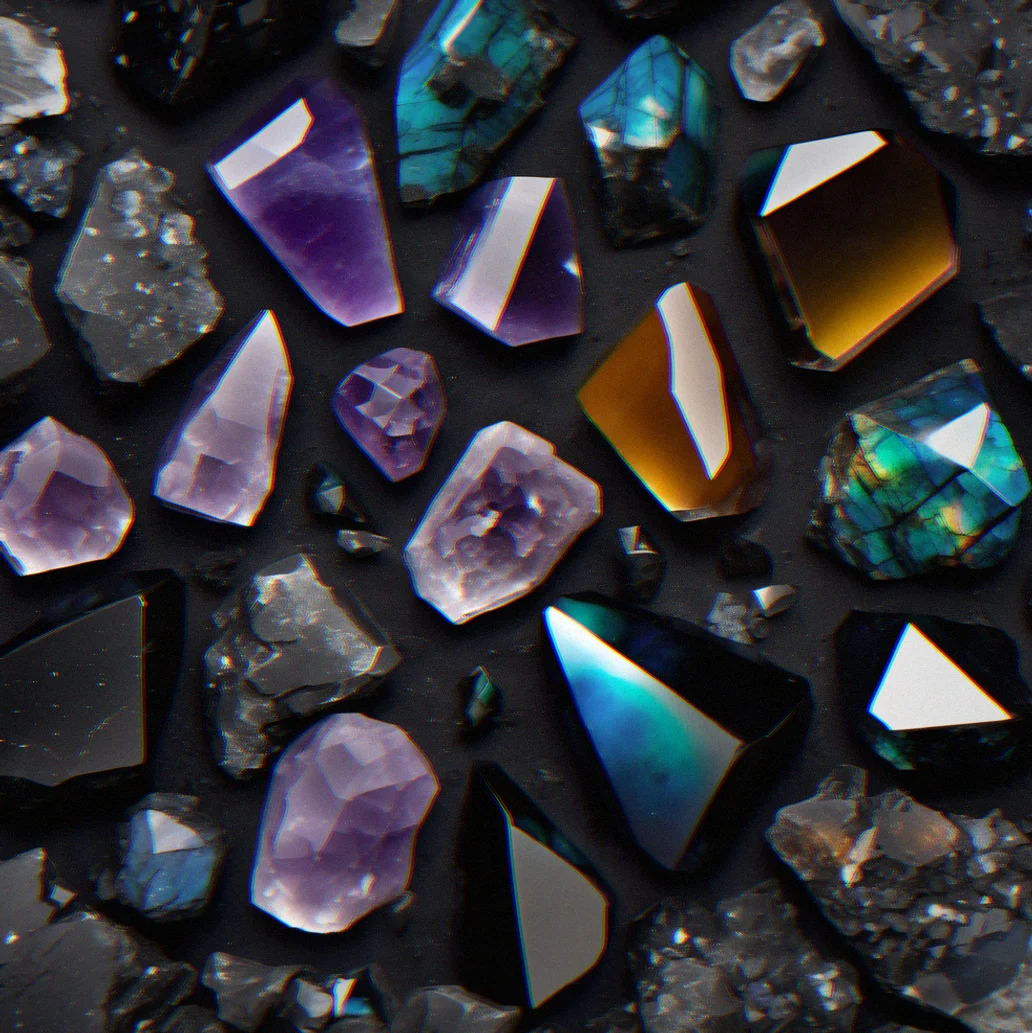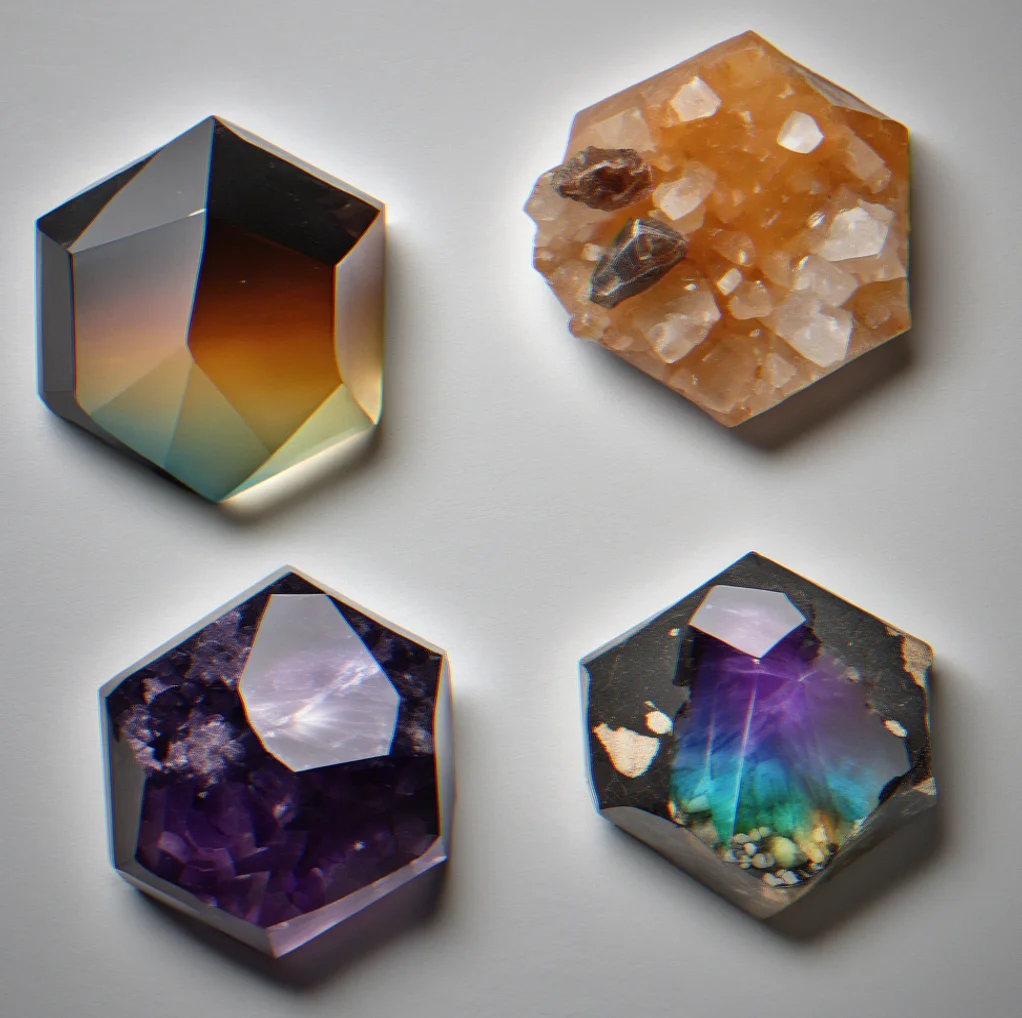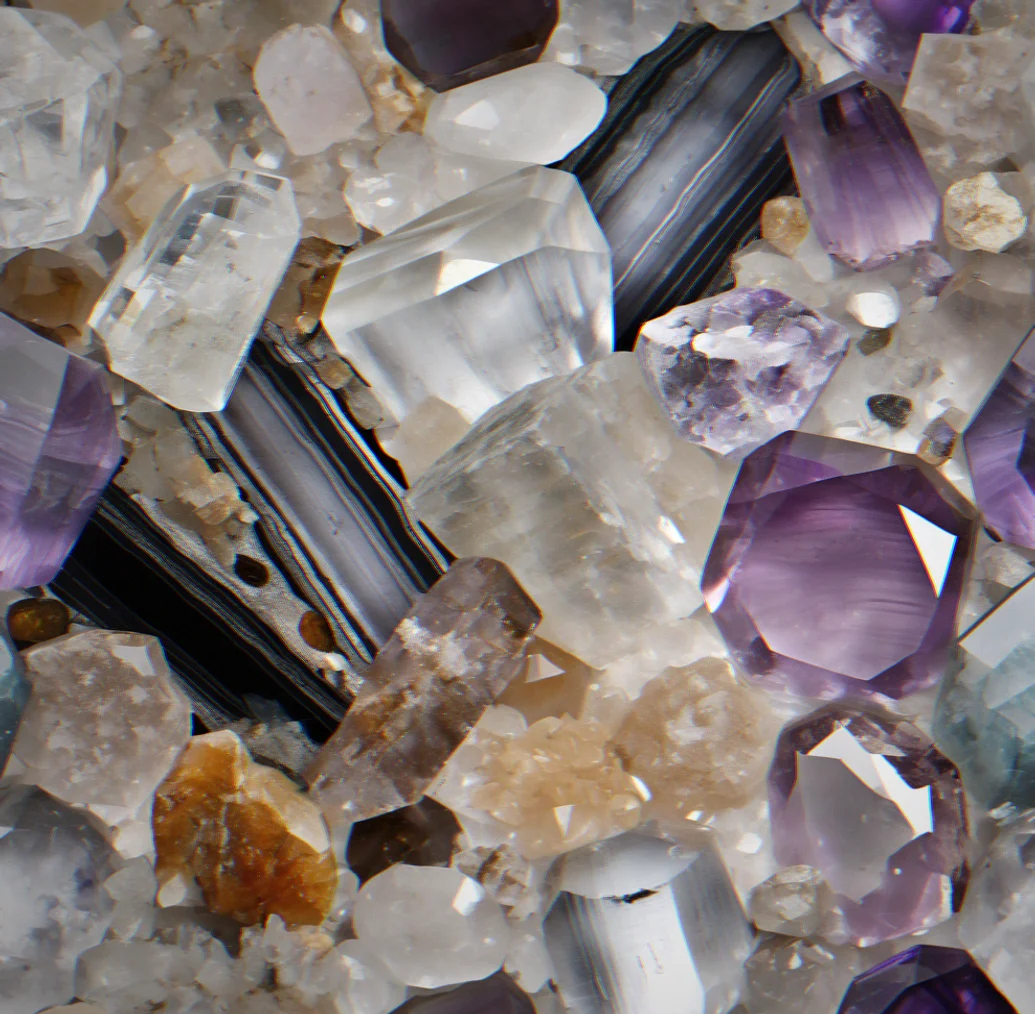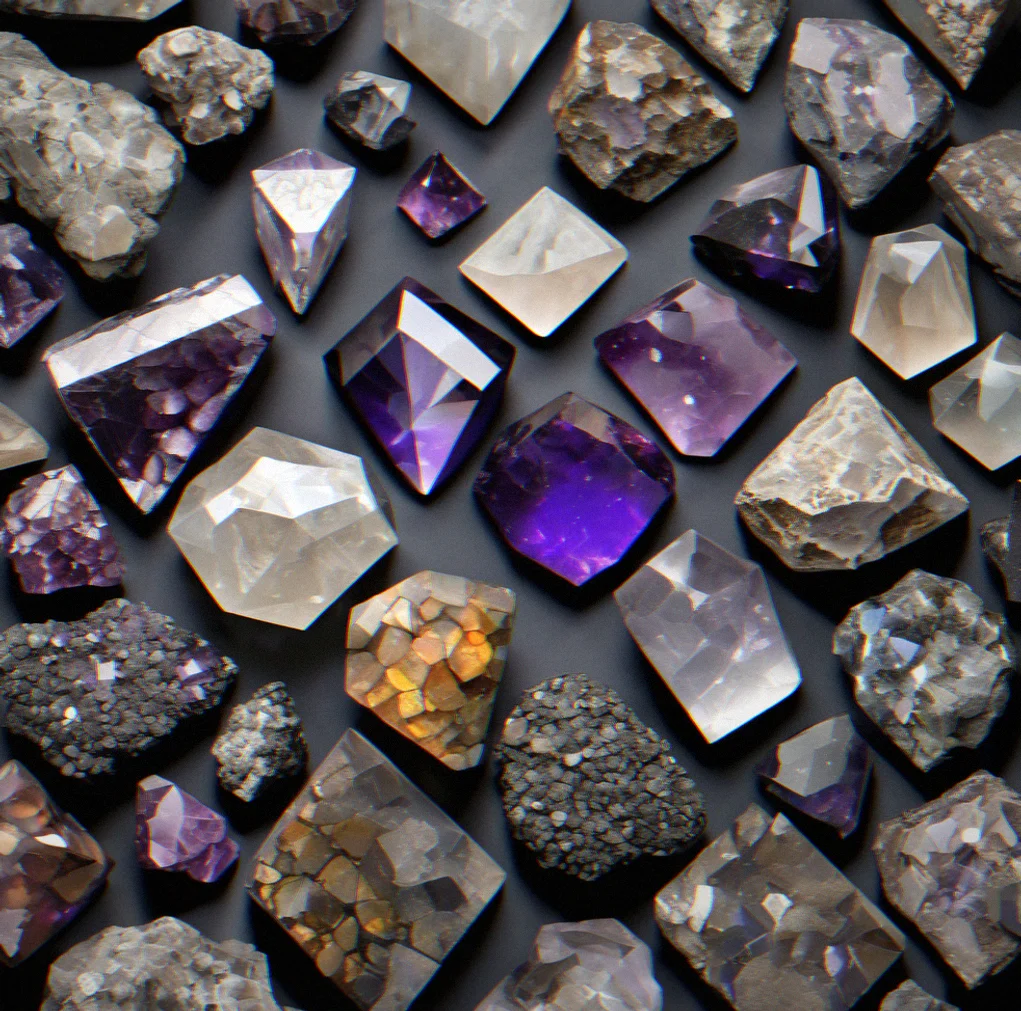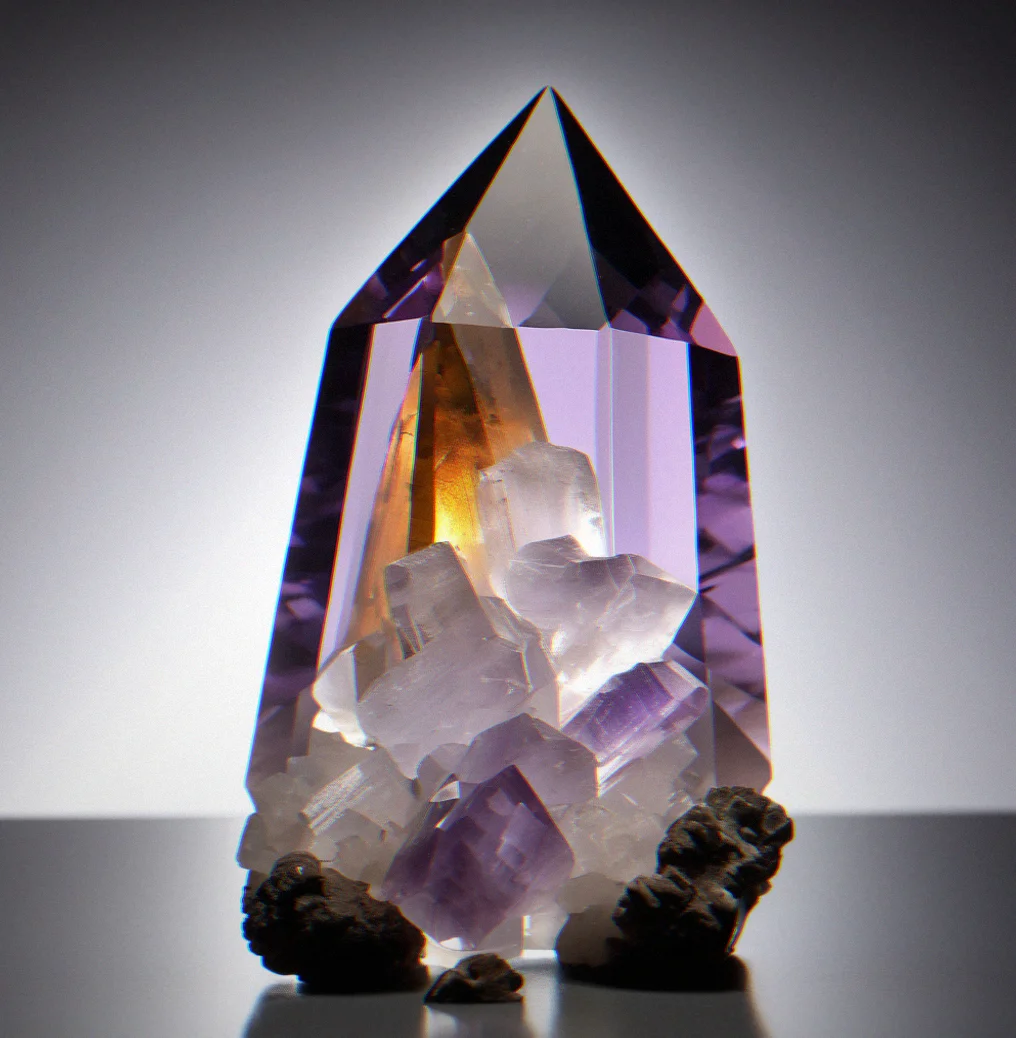
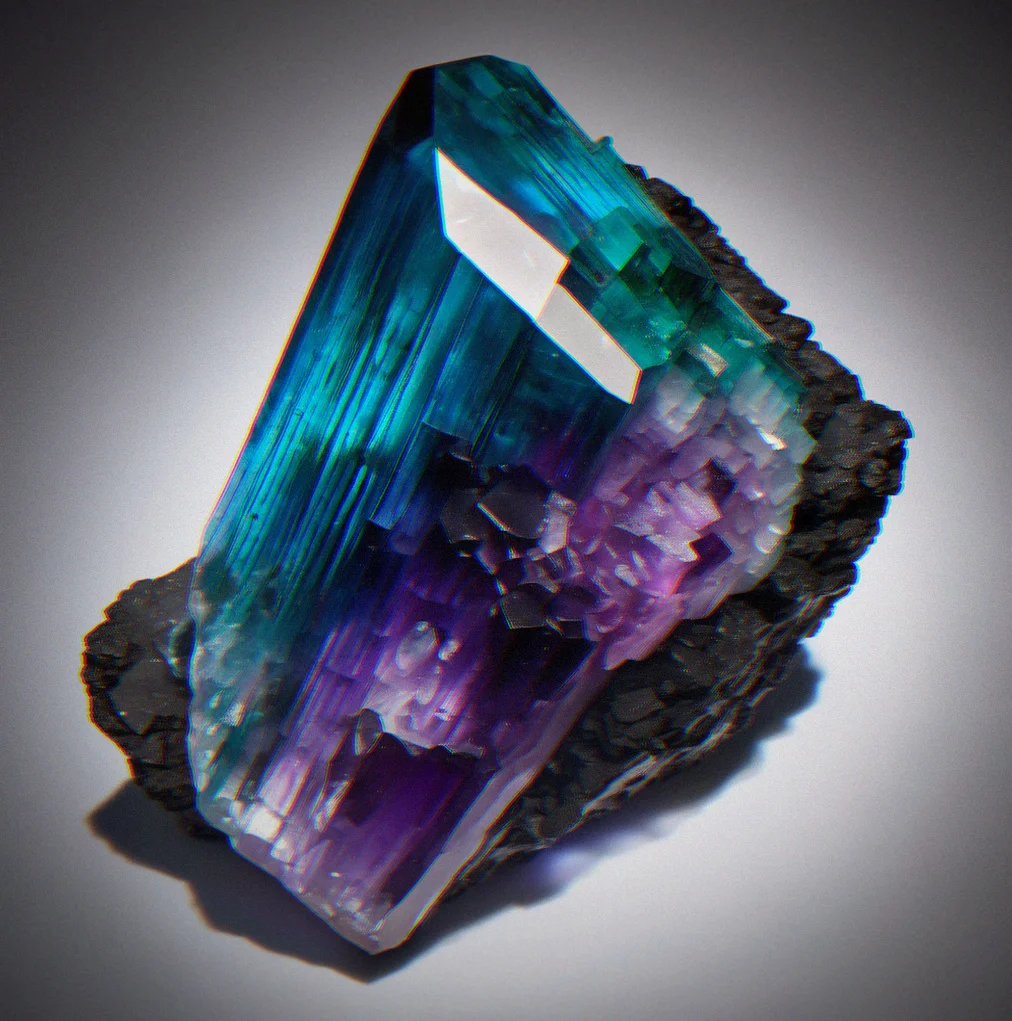
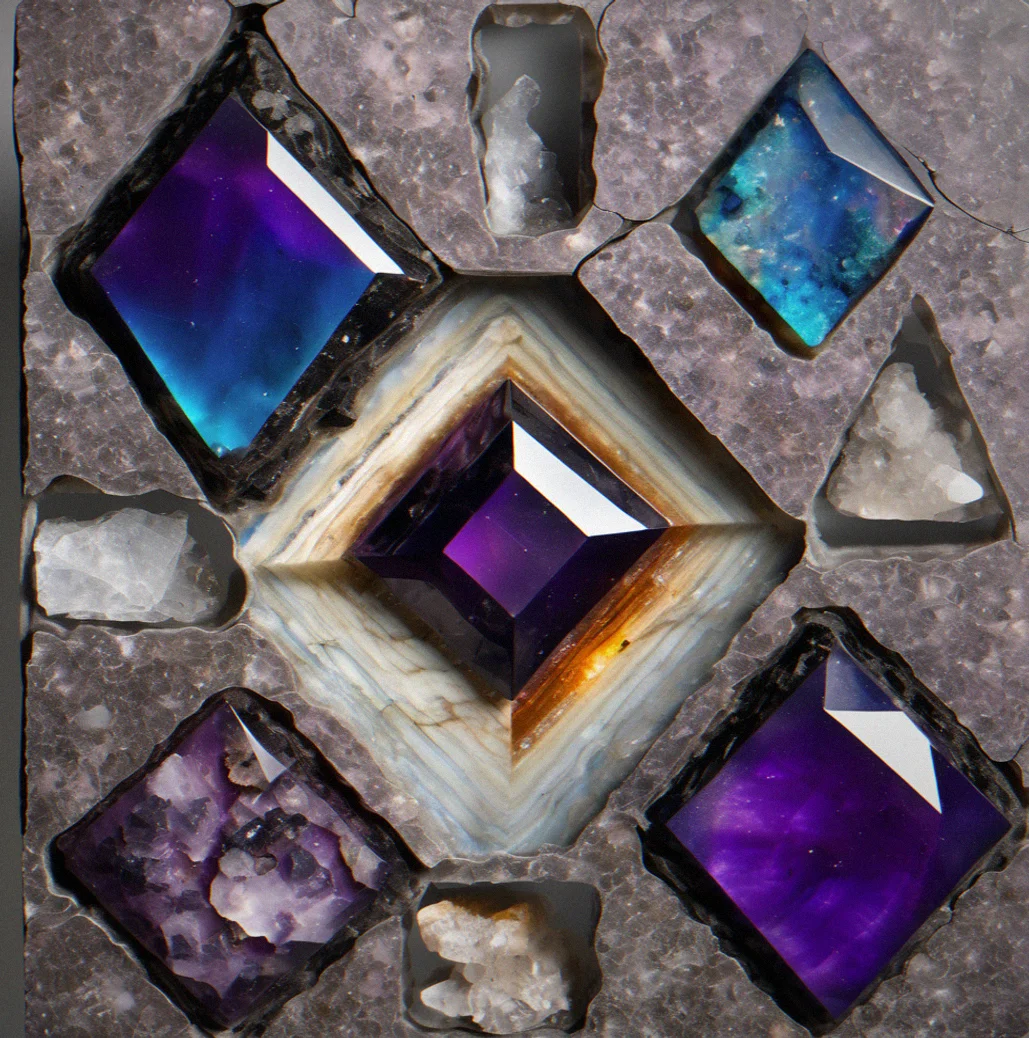
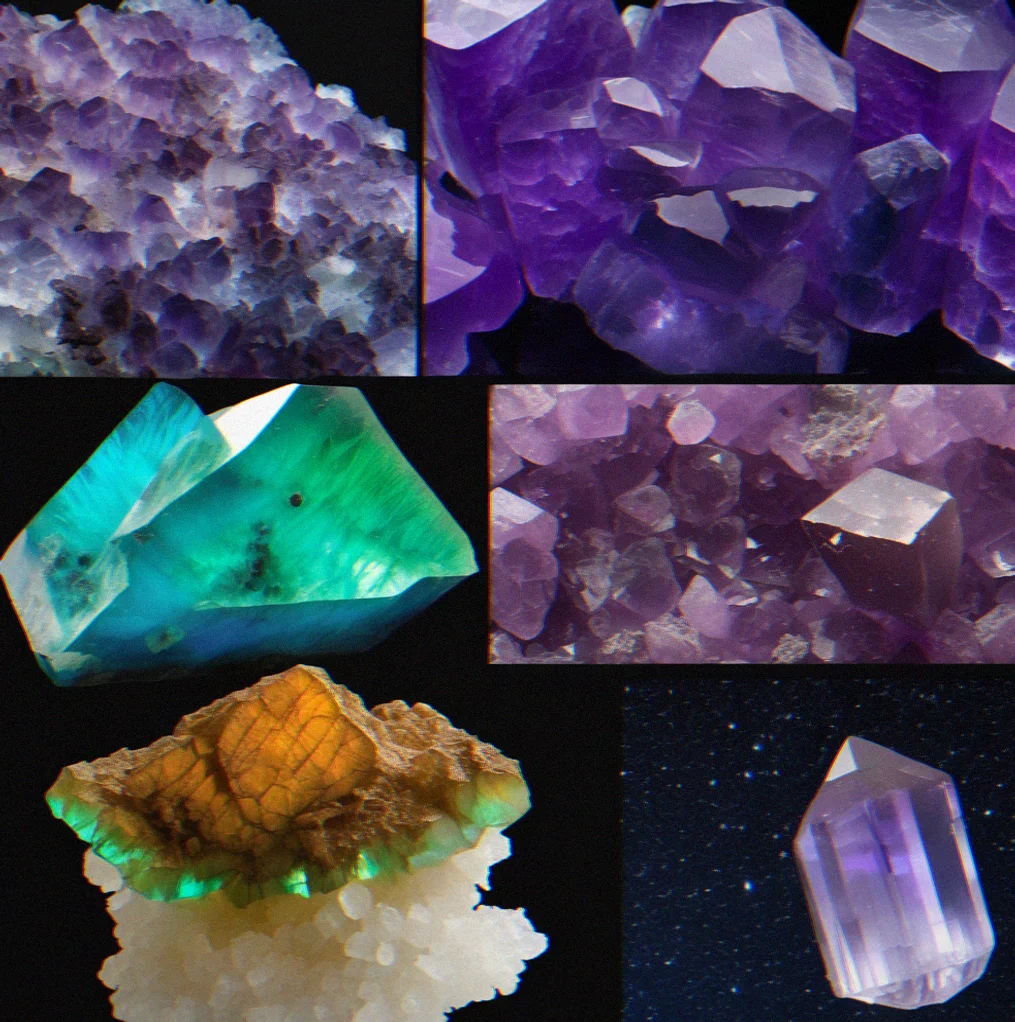
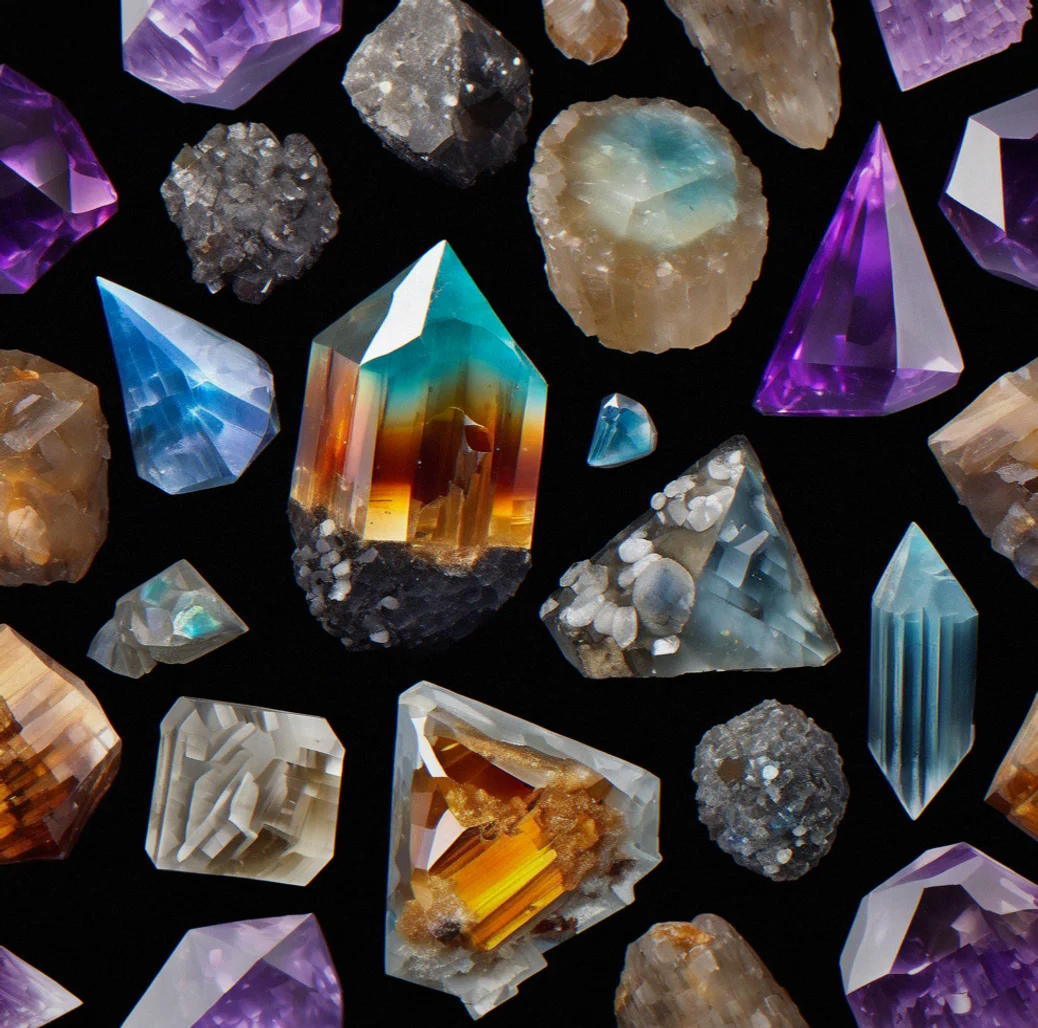
A raw tourmaline specimen lit from behind against deep space imagery, with sharp crystal faces, visible interior striations and color shifting from black through to deep blue.
01

Geology & Astronomy

Touch Stone. See Space.

Designed for peopel who want to really understand what Earth's made of and what's out there—by actually engaging with the real stuff.

StoneOrbit sits somewhere between what you'd read in National Geographic and the kind of detailed notes a geologist scribbles in the field. The specimens here are picked because they have a story to tell and they look stunning while telling it. Minerals that show you how they formed through their colors and crystal patterns. Star charts that unfold like an argument. We're not treating rocks and stars as abstract ideas. (Honestly, the moment you hold a quartz geode up to the light, abstraction doesn't stand a chance anyway.) Everything in the collection ties together that hands-on sense of wonder with real science—the exact conditions that created it, the light it's traveled through, how far back it reaches in time.

9 ways to understand minerals better

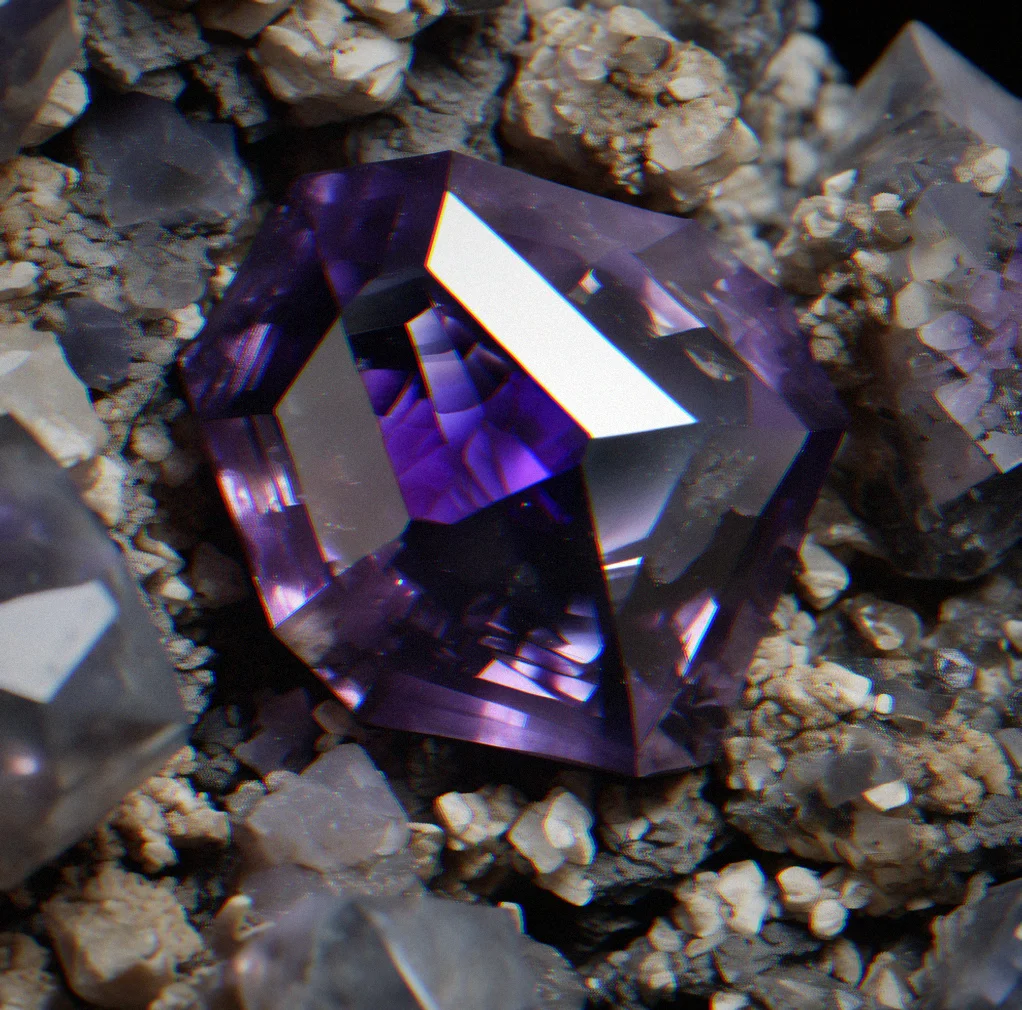
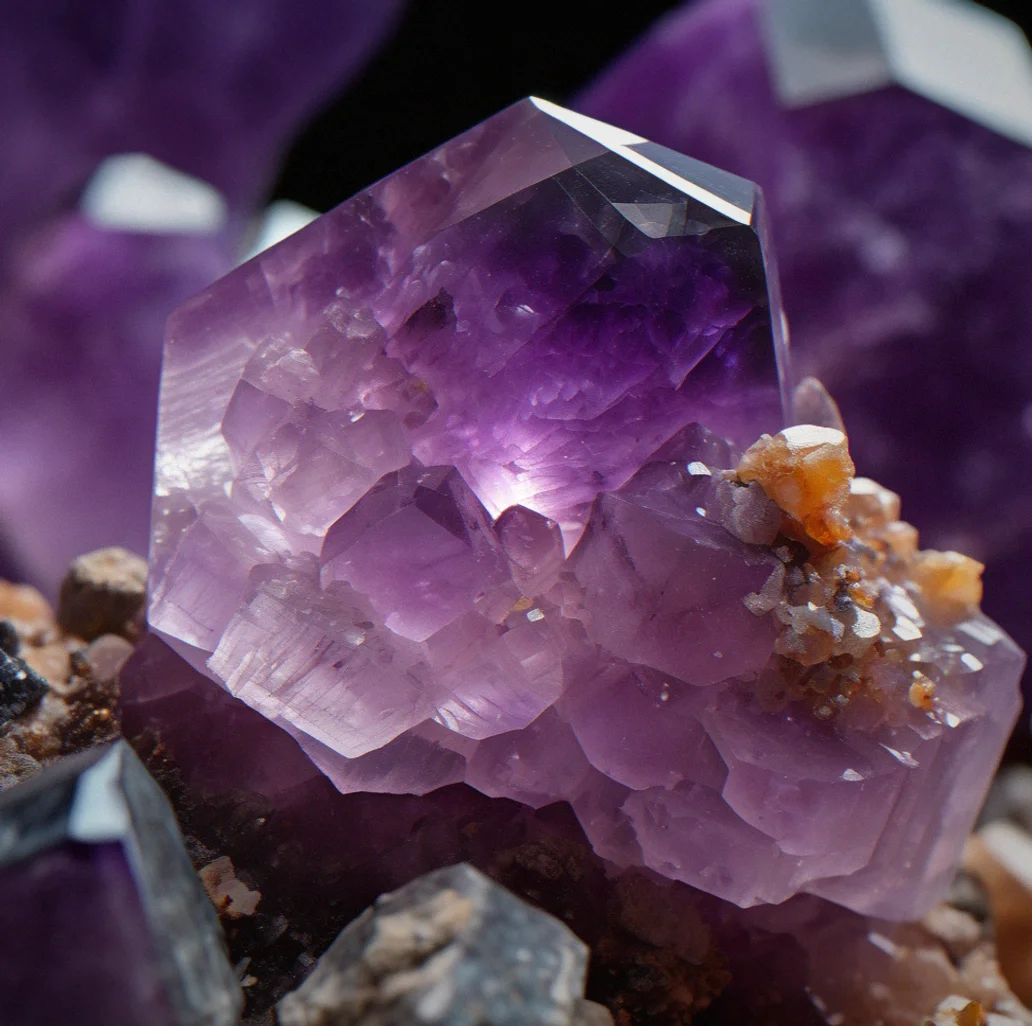
Close-up of a hexagonal amethyst cluster showing perfect six-sided crystal faces and internal striations catching warm studio light.
01 / 09

Crystal Systems

Minerals fall into 7 distinct geometric families—cubic, tetragonal, orthorhombic, monoclinic, triclinic, hexagonal, trigonal. Each one determines how light moves through the stone and how it fractures under stress. That shape you're looking at isn't just pretty. It's a permajent record of how the atoms arranged themselves.

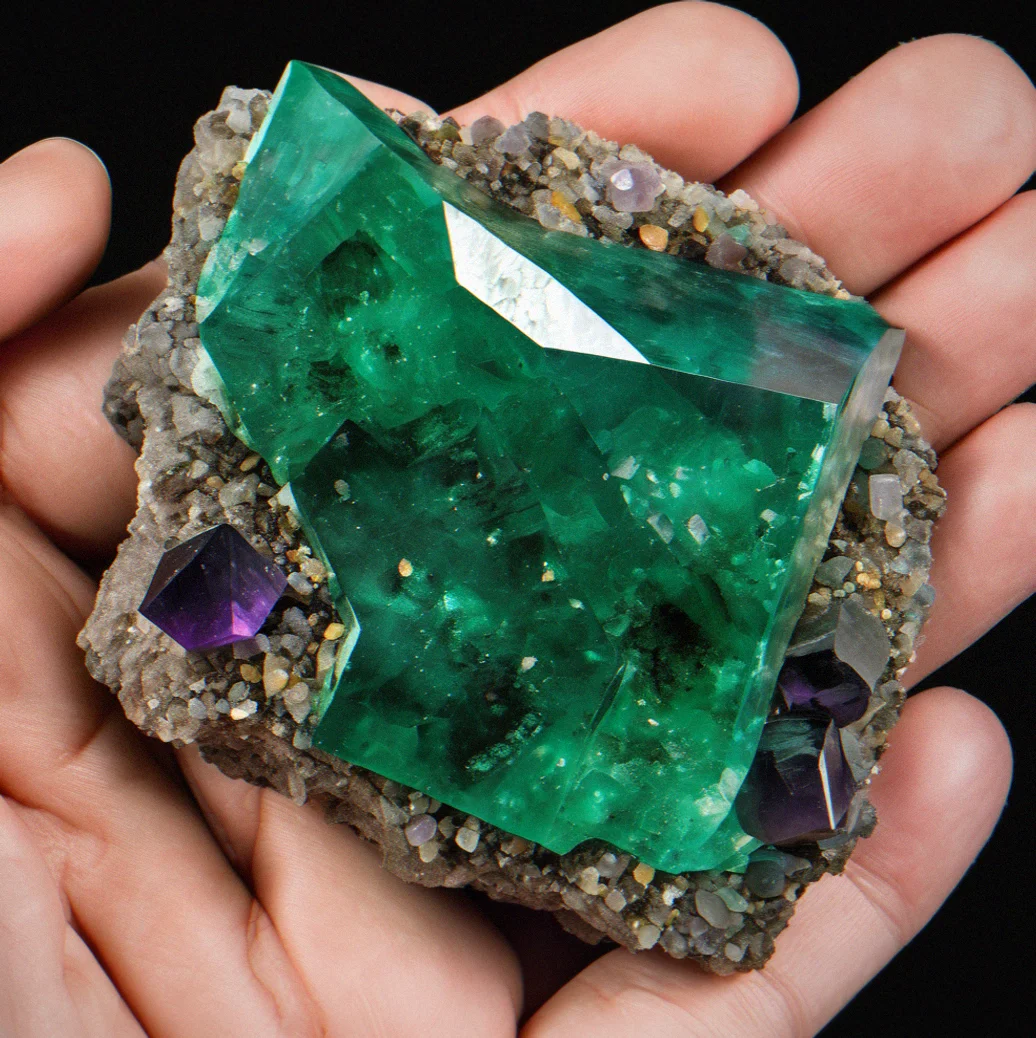
A raw emerald specimen showing deep green color with visible inclusions, photographed against white background to highlight color saturation.
02 / 09

Spectral Absorption

Trace elements are what give minerals their color. Iron makes hematite red. Chromium turns emerald green. Cobalt creates that deep azurite blue. So when you're looking at the color, you're basically reading the chemical makeup. And that same chemistry is what controls hardness, rarity, and which part of the world it came from.

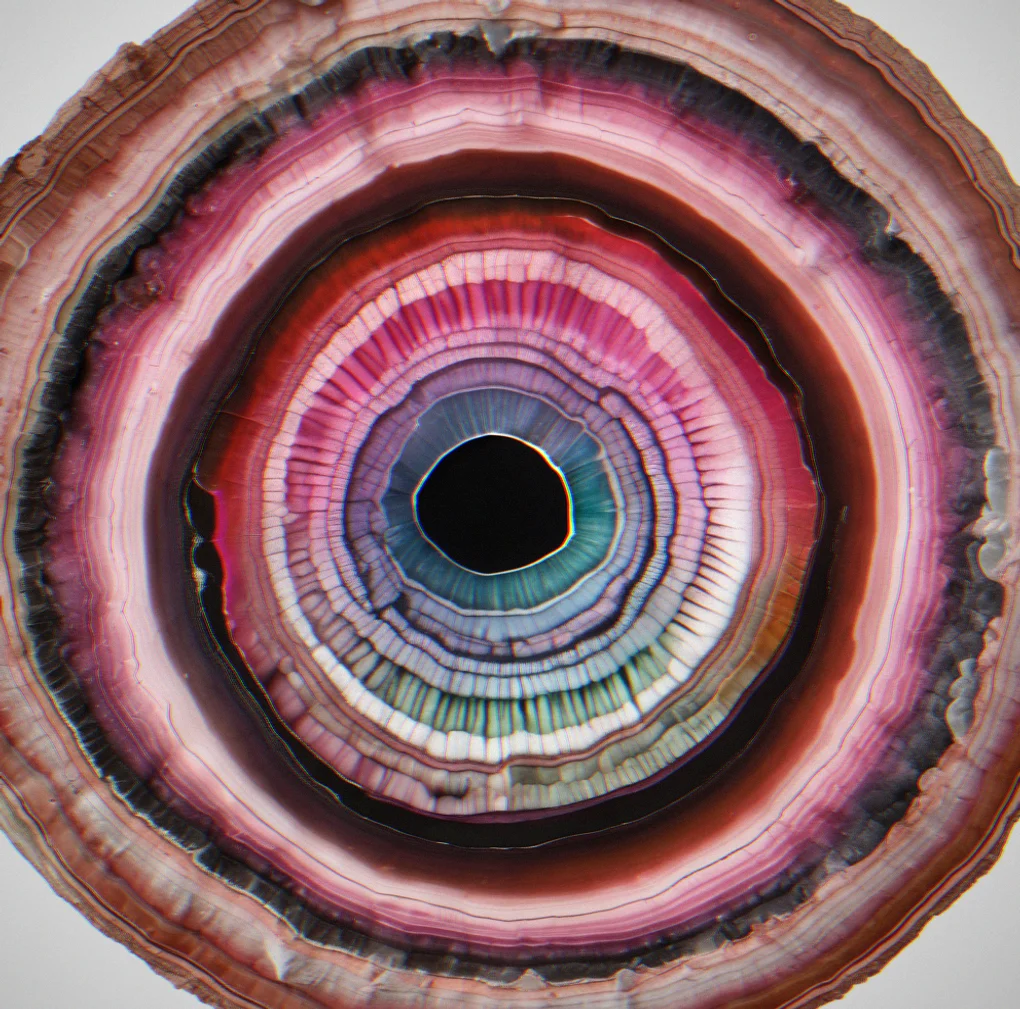
A polished tourmaline cross-section showing concentric color rings from black core to pink outer edge, illustrating growth stages.
03 / 09

Formation Conditions

Tourmaline requires temperatures well above 600 degrees and specific pressure zones buried deep in the crust. Quartz shows up in hot springs and inside cooling magma chambers. Each mineral is basically a fingerprint of where it was born—the pressure, temperature, and chemistry all matter. When you hold one, you're holding a record of conditions from thousands of feet underground.

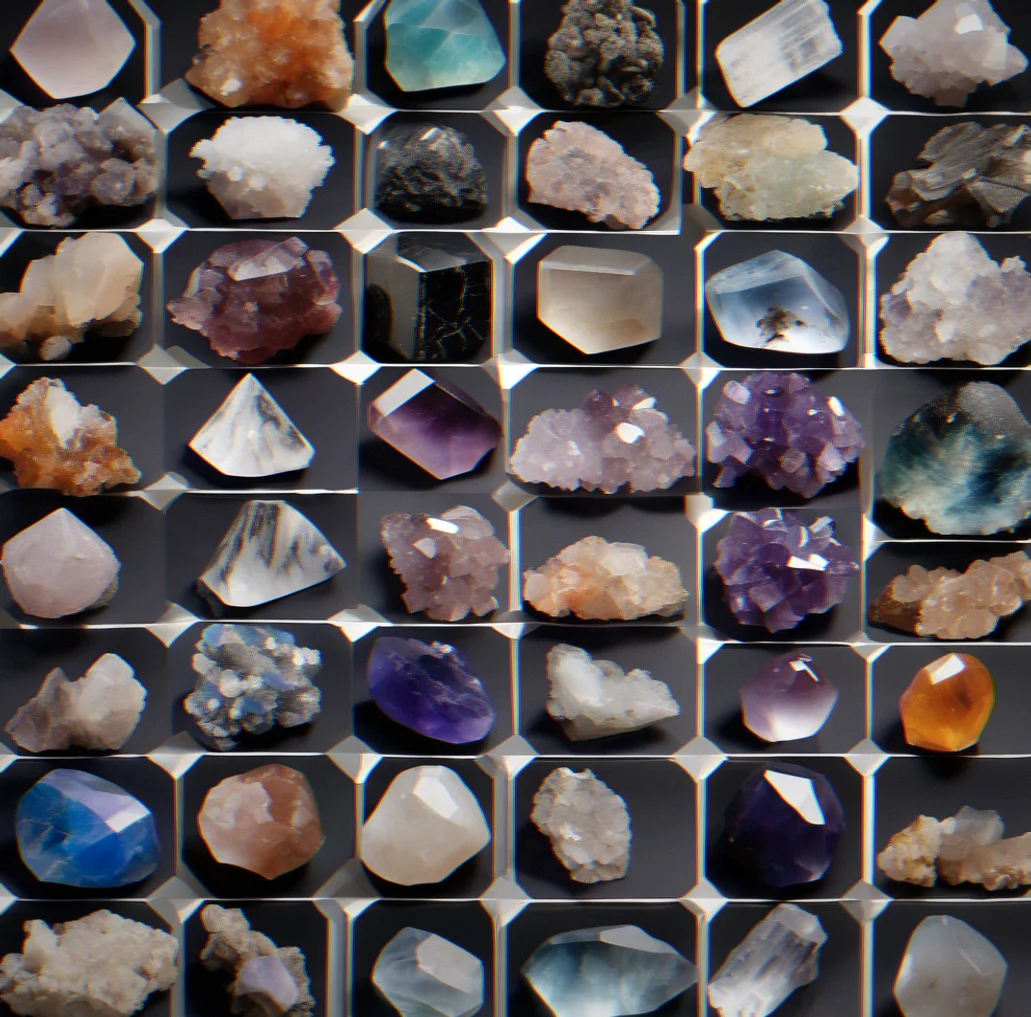
A selection of reference minerals arranged in order of increasing hardness, from soft white talc to clear diamond crystal.
04 / 09

Mohs Hardness Scale

The scale runs from 1 to 10. Your fingernail can scratch talc. Nothing scratches diamond. It's not random—it's about how strongly the atoms are bonded together. Harder minerals last longer when exposed to the elements. In your hand, you're measuring atomic strength.

Layered mica specimen showing perfect parallel cleavage planes splitting into thin, translucent sheets.
05 / 09

Cleavage & Fracture

Minerals break along weak spots in their atomic structure—that's cleavage—or they shatter randomly. Mica peels apart into thin sheets. Quartz breaks into curved pieces. You can read the internal structure just by looking at where and how it broke. Feel the edges and you're literally touching geology.

Split-screen photograph of green fluorite under white light and the same stone glowing bright blue-violet under UV wavelength.
06 / 09

Luminescence Under UV

Shine ultraviolet light on a lot of minerals and they start glowing. Fluorite, calcite, willemite light up in orange, red, or green. Daylight hides what darkness reveals. Suddenly the specimen becomes something completely different than what you thought you were holding.

Polished meteorite cross-section showing Widmanstätten patterns—angular metal crystalline structure from slow cooling in space.
07 / 09

Cosmic Ray Exposure

Some meteorites show track patterns left behind by cosmic rays that hit them while they were floating in space. Rocks from the moon carry isotopic signatures from the solar wind. When you pick up a meteorite, you're holding something that traveled millions of miles and has a timeline going back 4.5 billion years.

A pale spinel twin crystal showing two perfect pyramid-shaped ceystal forms joined at a central plane.
08 / 09

Twinning & Growth Patterns

Sometimes crystals grow as mirror images or stack in interlocking layers. Spinel twins form perfect triangular shapes. These patterns happened because something changed during growth—temperature shifted, chemistry fluctuated. Every pattern is its own story.

Microscopic zircon crystals mounted on a dark background, showing cubic and pyramidal crystal forms in magnified detail.
09 / 09

Geological Age

Radioactive isotopes inside minerals decay at rates we can measure. A zircon crystal can be pinned down to within a few million years of when it actually formed. Pick up a specimen and you could be holding something that crystallized 300 million years before dinosaurs even existed.

01

What's actually here

Somewhere between a museum and a working research site

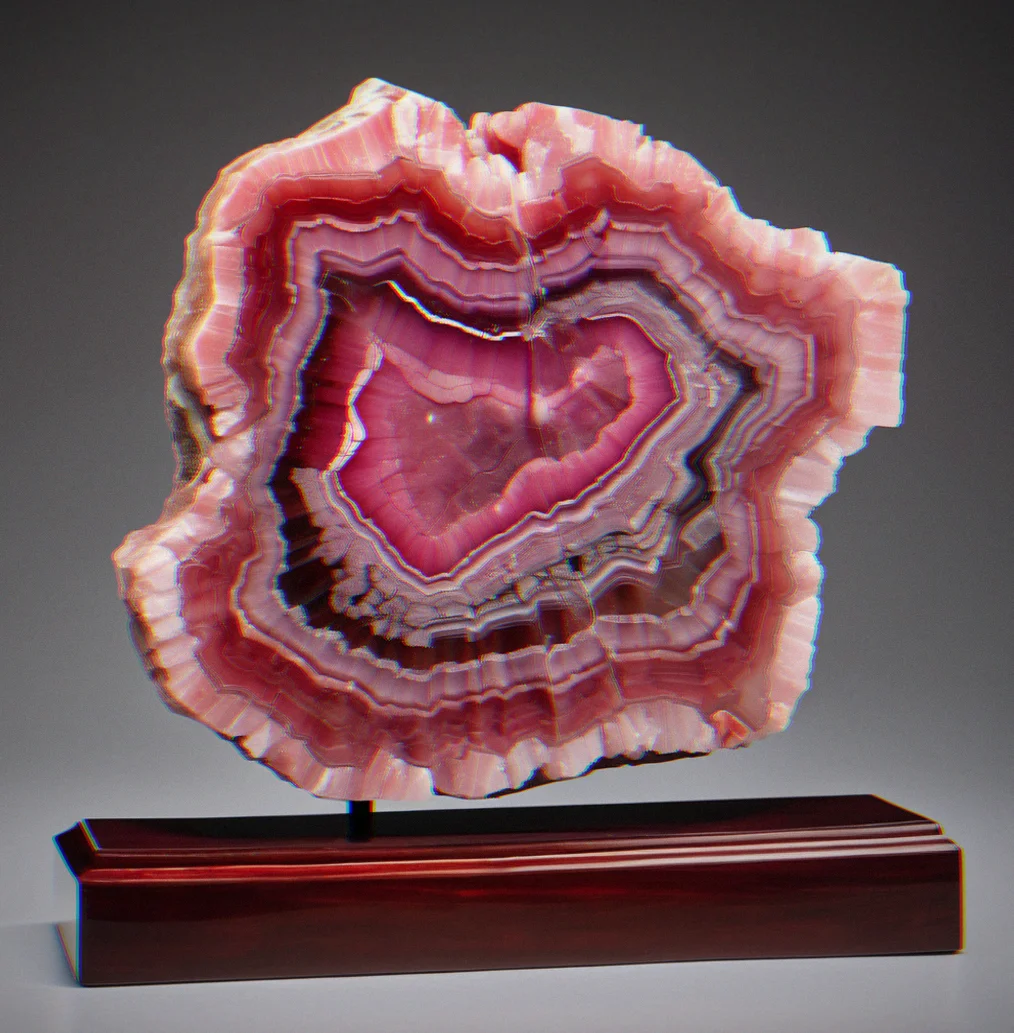
A raw rhodochrosite specimen showing deep pink and white banding layers, mounted on a museum-style display stand.
01

Sourced specimens

Every mineral and meteorite comes with a paper trail. Where it came from, when it formed, what it contains. We skip conflict zones and destructive collection sites. Everything in our catalog has a documented geological history you can look up yourself. When you hold it, you know where it's been.
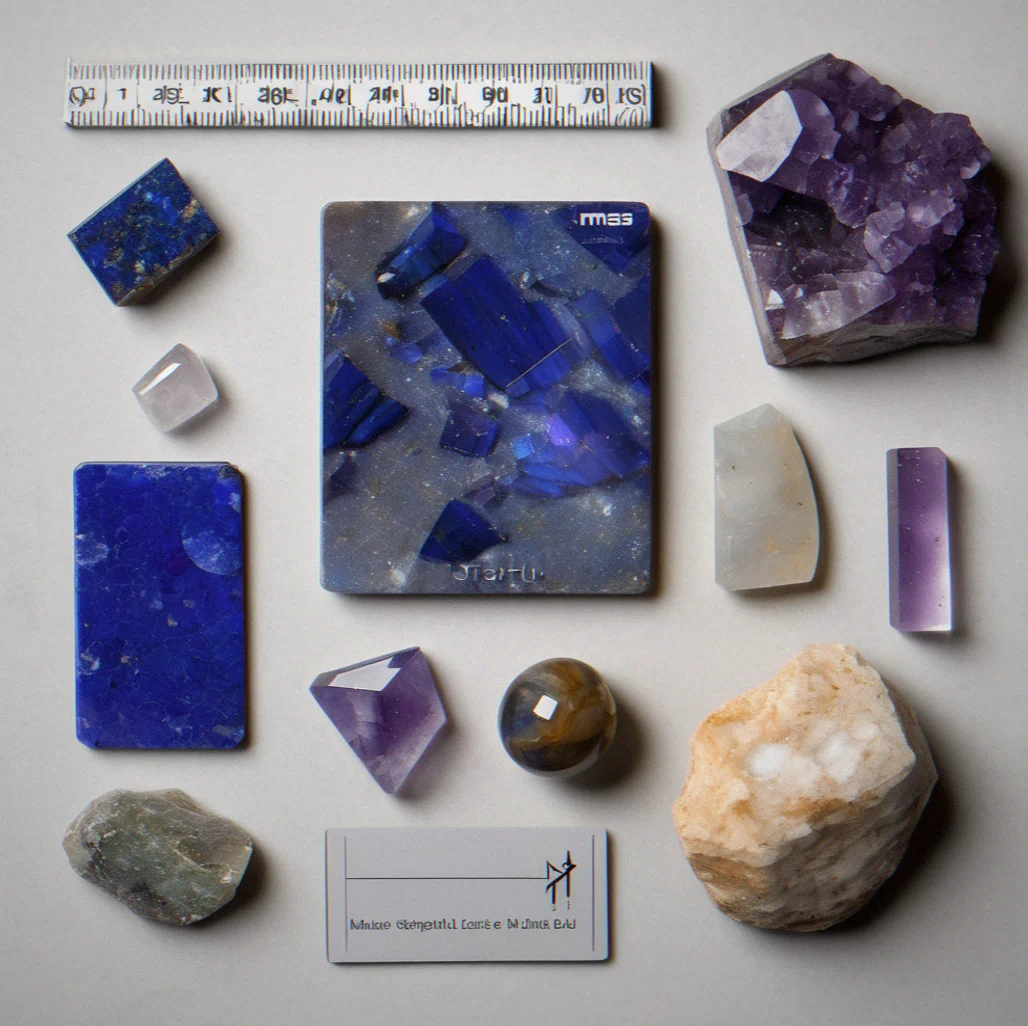
Overhead flat-lay photography showing a lapis lazuli specimen next to a ruler and color-calibration card for accurate reference.
02

Visual reference

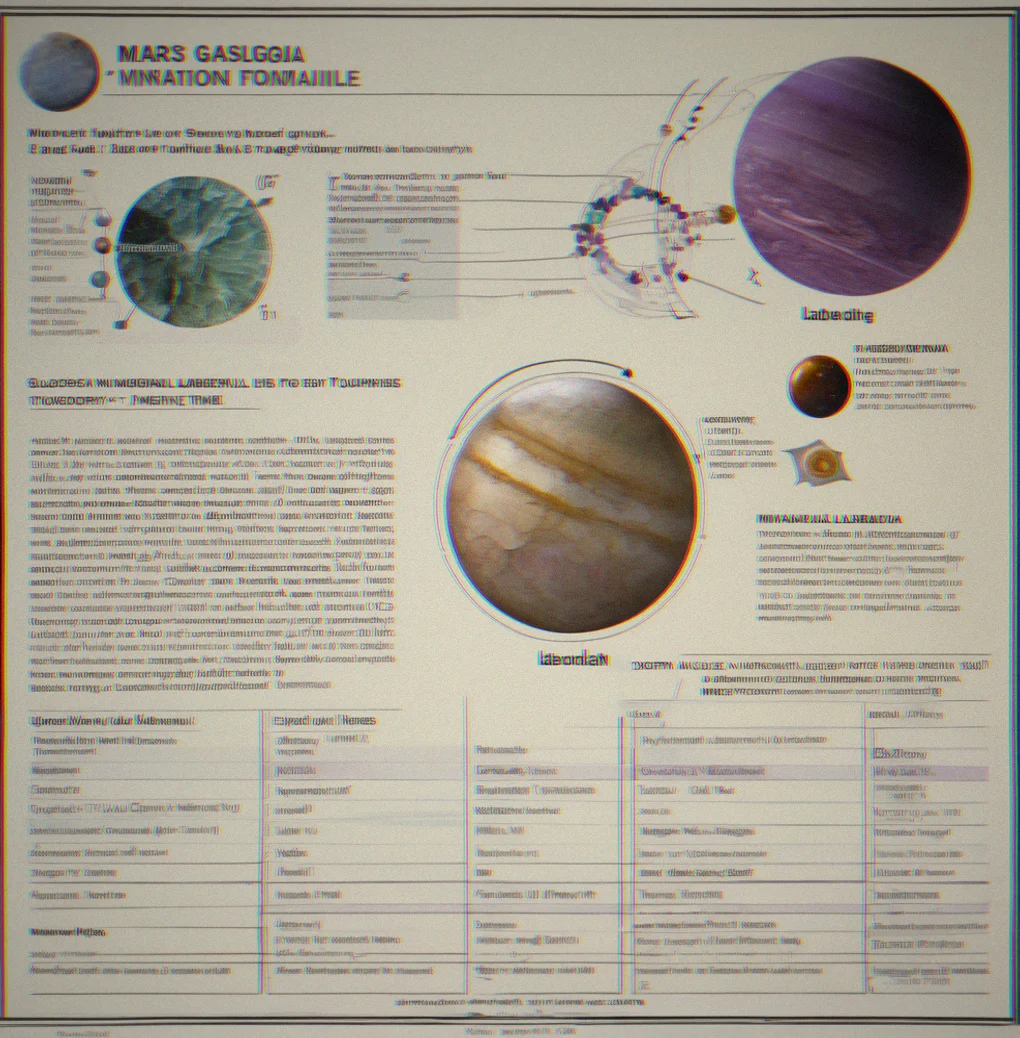
Details matter when you're buying something you haven't seen. We shoot under consistent lighting, show you the crystal structure up close, include something for scale. Some orders come with printed geology sheets too—actual spectral data, hardness numbers, formation diagrams. You know what you're getting before it shows up.

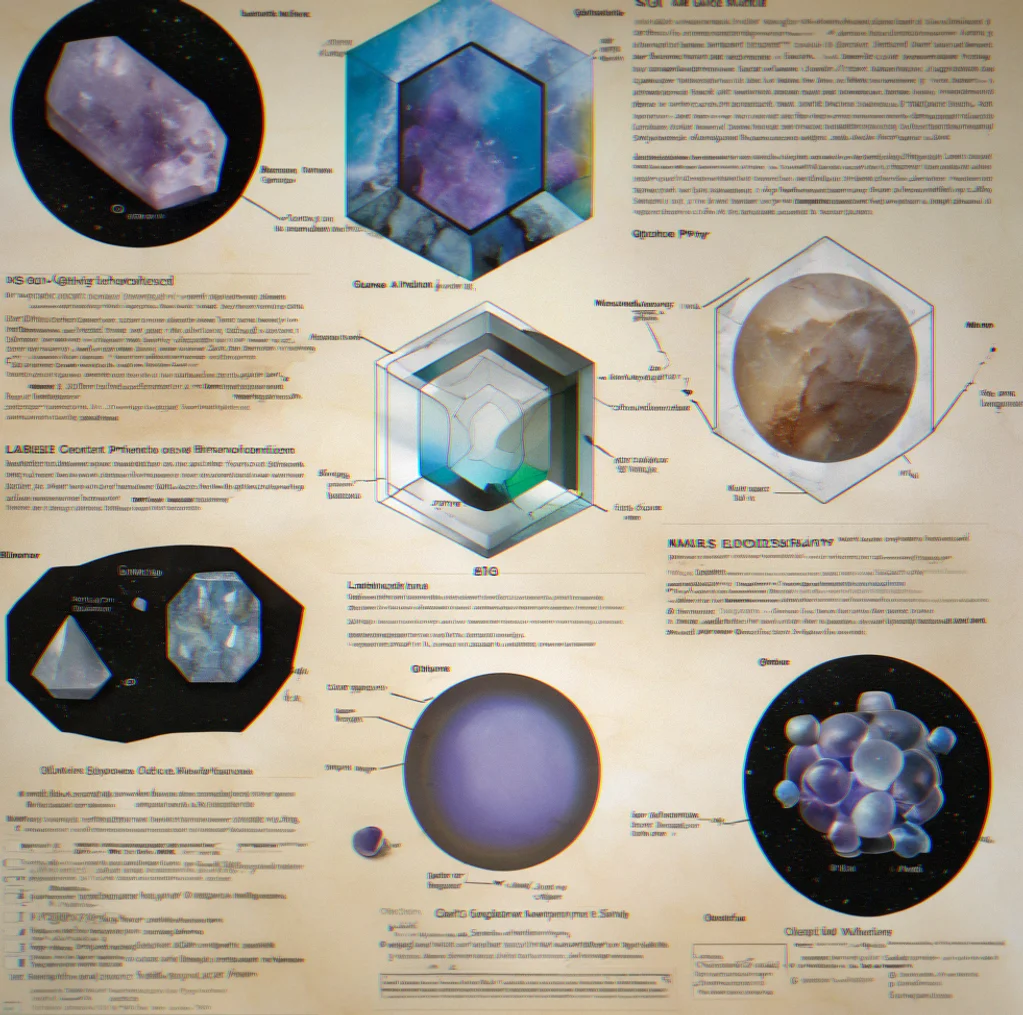
Close-up of a printed specimen information card showing geological data, chemical formula and formation timeline for a tourmaline sample.
03

The science part

Straight facts. Each card covers how it formed, what it's classified as, which elements are in it. We name the mines and ranges. Mohs hardness, crystal system, specific gravity—the stuff collectors actually use. No padding.

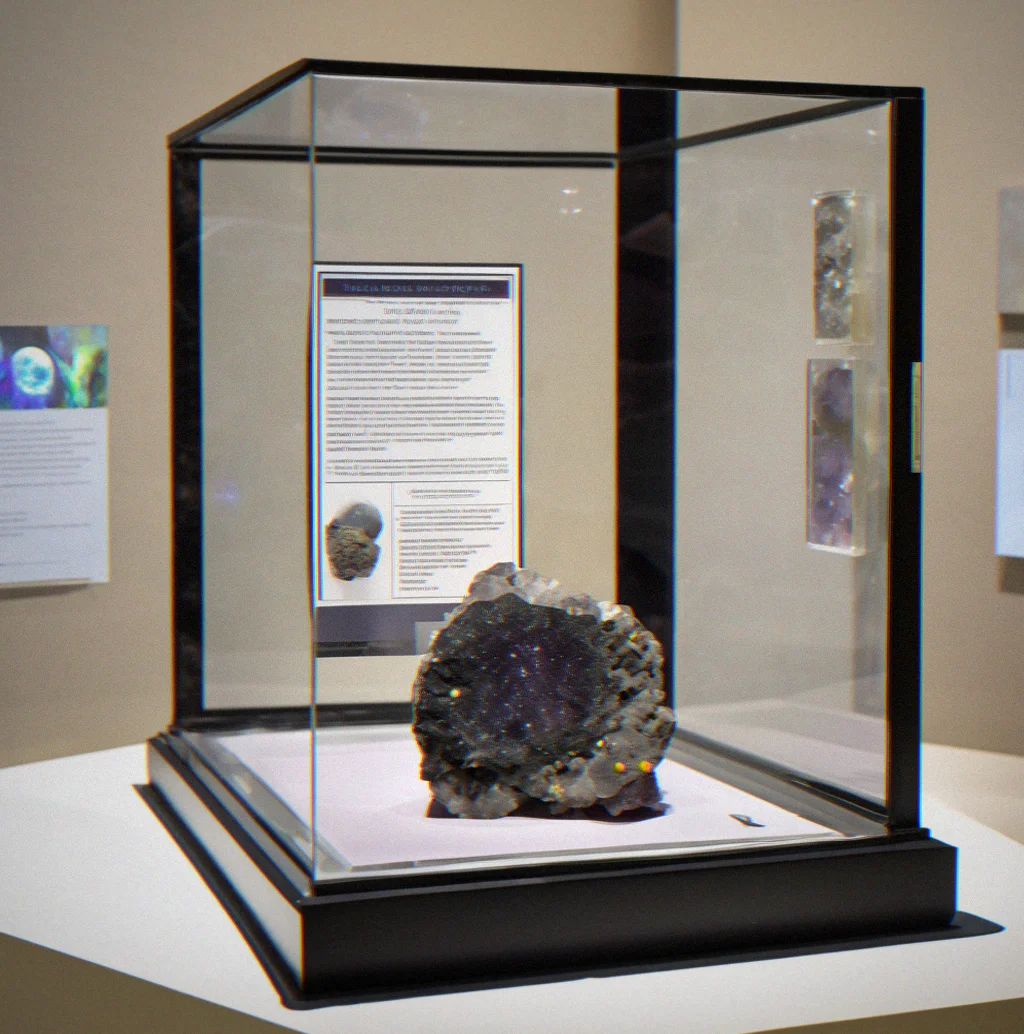
A lunar basalt sample mounted in a museum case showing dark gray crystalline texture, with NASA documentation card beside it.
04

Lunar and meteorite selections

We carry verified Apollo mission lunar samples and meteorites with documented fall records. These are real. You're holding material that crossed space and hit Earth or was walked on the Moon between 1969 and 1972. That shifts something when you look up at night.

Why collectors choose StoneOrbit

Seven reasons to start here

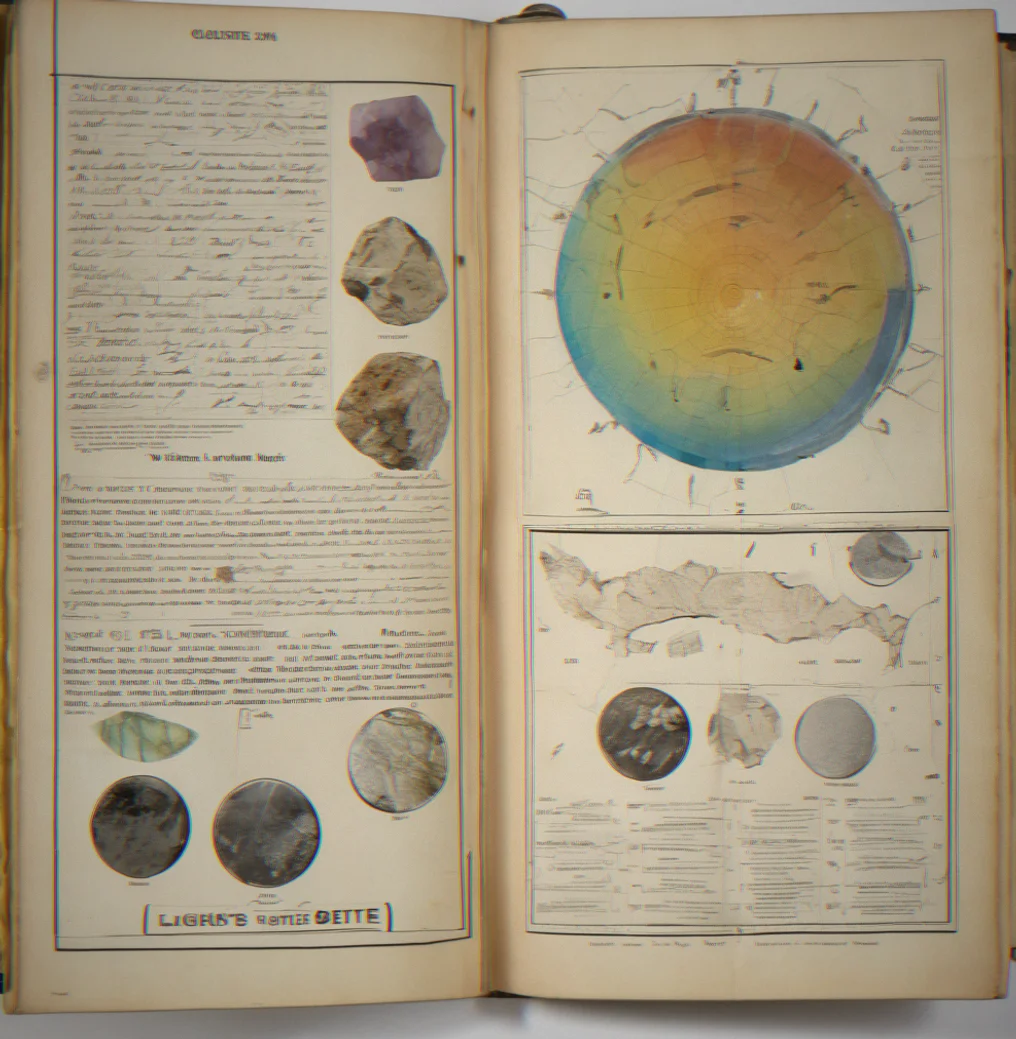
A leather-bound catalog showing maps and geological survey notes with mineral specimen photographs and location coordinates.
1
01

Verified origins

Every specimen comes with full source documentation—which mine, what region, the geological formation that created it. No mysteries. You know exactly what you're holding and where it came from.

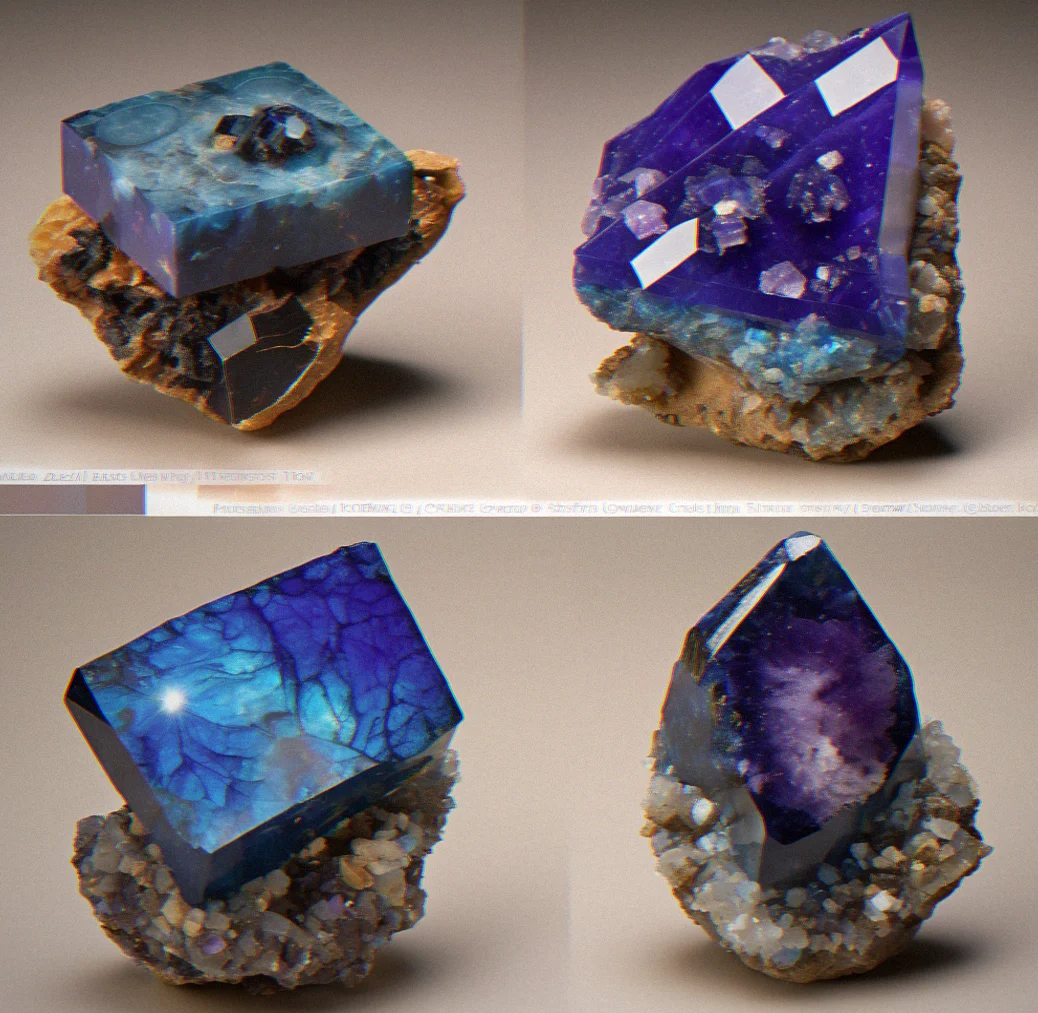
Studio photography of an azurite specimen showing three different angles and close-up detail of crystal terminations under directional lighting.
2
02

Museum-grade photography

We photograph specimens under controlled LED setups with color reference cards and macro lenses. You're seeing surface detail, internal striations, how light bends through the crystal. Even the shadows reveal something about the structure. What you get in the mail matches what you saw on screen.

A printed specification card for quartz showing chemical formula SiO2, hardness 7, hexagonal crystal system, and formation conditions.
3
03

Geological data sheets

Each order includes printed reference cards listing Mohs hardness, specific gravity, crystal system, refractive index, and notable trace elements. So you actually understand what you're looking at, not just what it looks like.

A sparse display shelf showing carefully spaced mineral specimens with ample white space and individual spot lighting.
4
04

Curation over volume

We don't carry hundreds of nearly-identical pieces. The collection shifts seasonally with new finds and authenticated specimens. That approach—picking carefully rather than stocking everything—actually matters.

An authenticated lunar basalt specimen in a museum display case with NASA certification card and sample number visible.
5
05

Authenticated lunar and metoerite samples

We buy through registered dealers with proper chain-of-custody records. Apollo samples include NASA documentation. Meteorites come with fall data and spectroscopic analysis. You're getting the real thing, not replicas or mystery material.

A fair-trade certified amethyst geode with documentation showing the cooperative mine in Rio Grande do Sul, Brazil.
6
06

Ethical sourcing

No minerals from conflict zones. No specimens from unstable or destructive mining operations. We partner with collectors and suppliers who practice responsible extraction. Your collection doesn't support harm.

An open care instruction booklet with color photographs showing proper handling techniques and archival display materials.
7
07

Storage and care guidance

Every package includes handling instructions tailored to your specimen—its hardness, what it's sensitive to. How to display it, how to clena it safely, what storage conditions prevent damage over time. We want your collection to still be around decades from now.

Get to know minerals by holding them

Density and weight

Pick up a piece of galena next to some quartz of the same size and you'll feel the difference immediately. That's specific gravity at work — how much denser the mineral is compared to water. Pyrite sits at 5.0 g/cm³, and it catches people off guard every time.

Two mineral specimens of similar size held in open palms, showing the visible difference in weight distribution and hand position.

Luster and light behavior

Metallic luster means it shines like metal. Vitreous minerals glow from within. Then you've got pearly, resinous, silky — each one describes something different about how light plays across the atomic surface. Tilt the specimen and rotate it. The angle matters more than you'd think.

Close-up of a galena specimen showing silvery metallic luster against a matte background, with light refleection visible across cubic faces.

Streak testing

Scrape a mineral across unglazed ceramic and it leaves colored powder behind — that's the streak. Hematite streaks blood red. Magnetite goes black. Pyrite leaves greenish-black. What's wild is the streak color often doesn't match the specimen itself, and that tells you about impurities and how the atoms are arranged.

A white ceramic streak plate showing four different colored powder lines from mineral testing, labeled with specimen names.

Magnetic response

Magnetite gets pulled toward a strong magnet. Hematite shows some attraction but it's weak. Most minerals don't budge at all. This response connects directly to iron content and how electrons line up in the crystal lattice. You can test it yourself with nothing but a magnet.

A magnetite specimen suspended near a rare-earth magnet, showing visible deflection and alignment toward the magnetic field.

Double refraction

Hold clear calcite up to text and you see two versions of the words. Light bends differently along different paths because of the crystal structure. That's birefringence — light actually travels at different speeds depending on which direction it moves through the stone. The mineral becomes a physics demonstration you can hold.

A transparent calcite crystal positioned over printed text, showing a doubled image effect through the specimen.

Effervescence with acid

Drop dilute hydrochloric acid on carbonate minerals and they fizz — carbon dioxide bubbling off. Calcite goes wild with it. Dolomite barely reacts or doesn't at all. It's one of the quickest identification tests out there and you don't need any special gear or training.

A clear calcite specimen in a drop of dilute acid, showing visible bubble formation on the mineral surface.

Conchoidal fracture

Obsidian and quartz break in smooth, curved patterns that look like seashell surfaces. That fracture pattern tells you something real about the glassy or amorphous structure and how stress moves through the material when it breaks.

A black obsidian flake showing smooth curved fracture surfaces with sharp edges catching light at multiple angles.

Persistence of form

Quartz from Madagascar looks like quartz from Arkansas because they follow the same crystal geometry. Origin and conditions don't matter — the structure stays consistent across the world and through time. Shape is identity.

Three quartz specimens from different locations arranged to show identical hexagonal prismatic crystal firms and terminations.

Inclusions as record

Tourmaline trapped in tourmaline, clay stuck in quartz, nitrogen locked in diamond — inclusions are accidents that happened during formation and they document what was going on at that exact moment. Look at what's trapped inside and you read the geological story.

A magnified view of clear quartz containing fine rutile needle inclusions aliggned along the crystal axis.

The collection in context

Specimens shot in studio and out in the field, exactly as they are. No filters or artificial arrangement—just what's actually there. The color, the surface texture, how light travels through the crystal lattice.

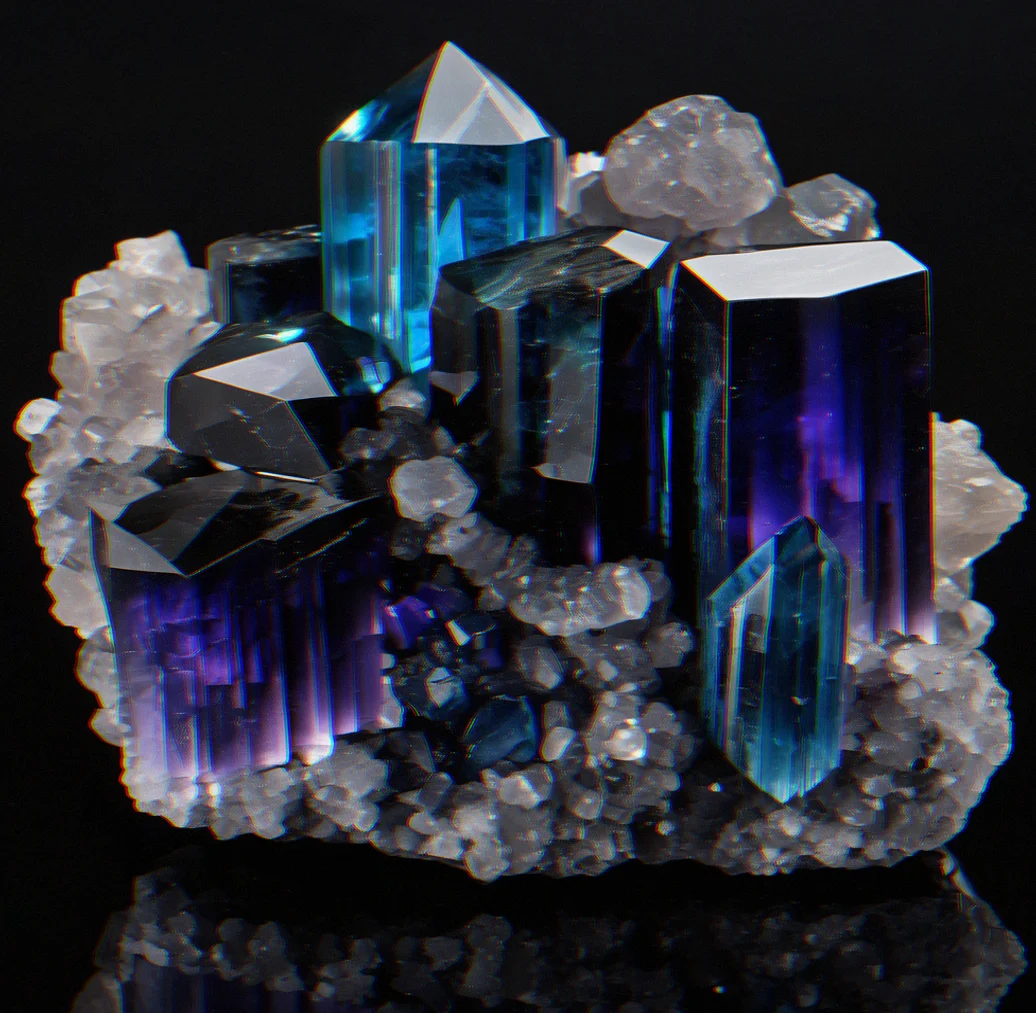
Deep blue and black tourmaline cluster under directional LED light on a matte black surface. You can see the striations running through it and where the crystals terminate at the points.

Tourmaline from Brazil — 47mm piece

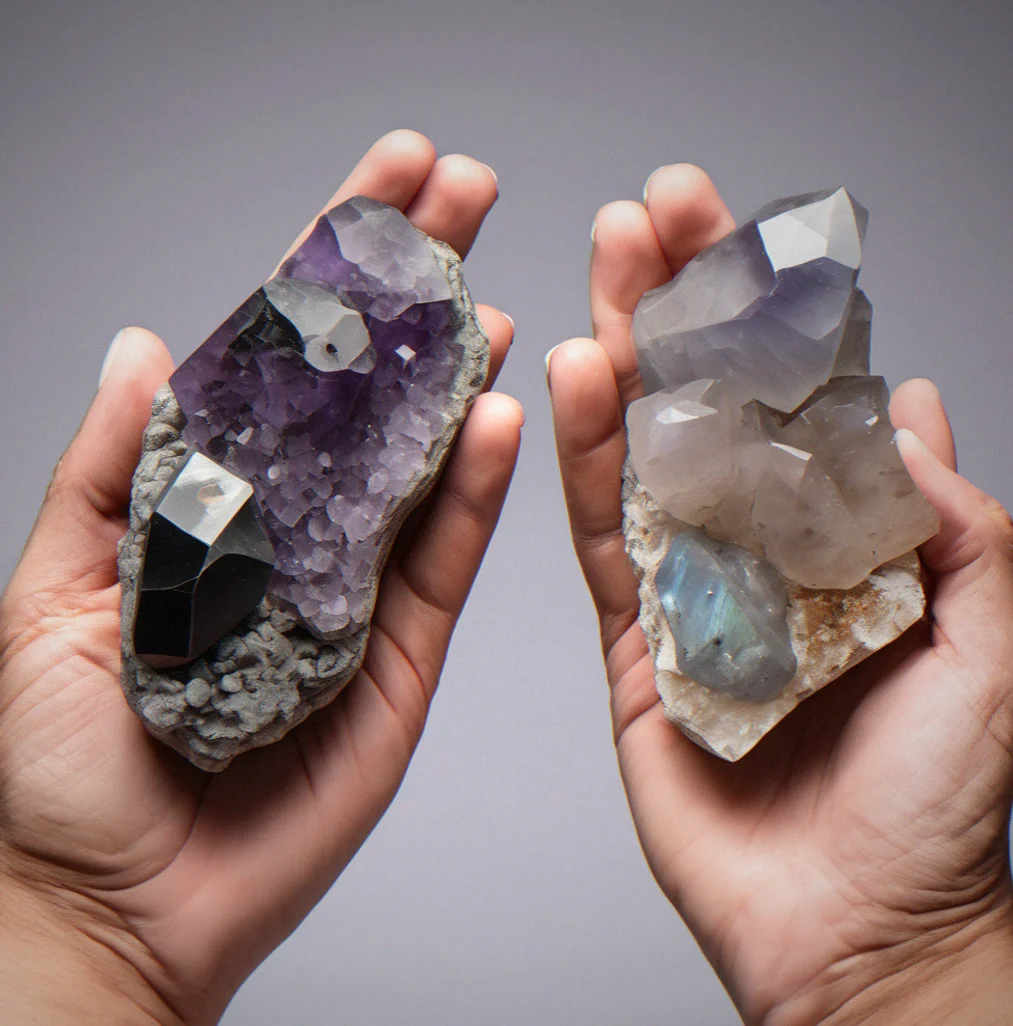
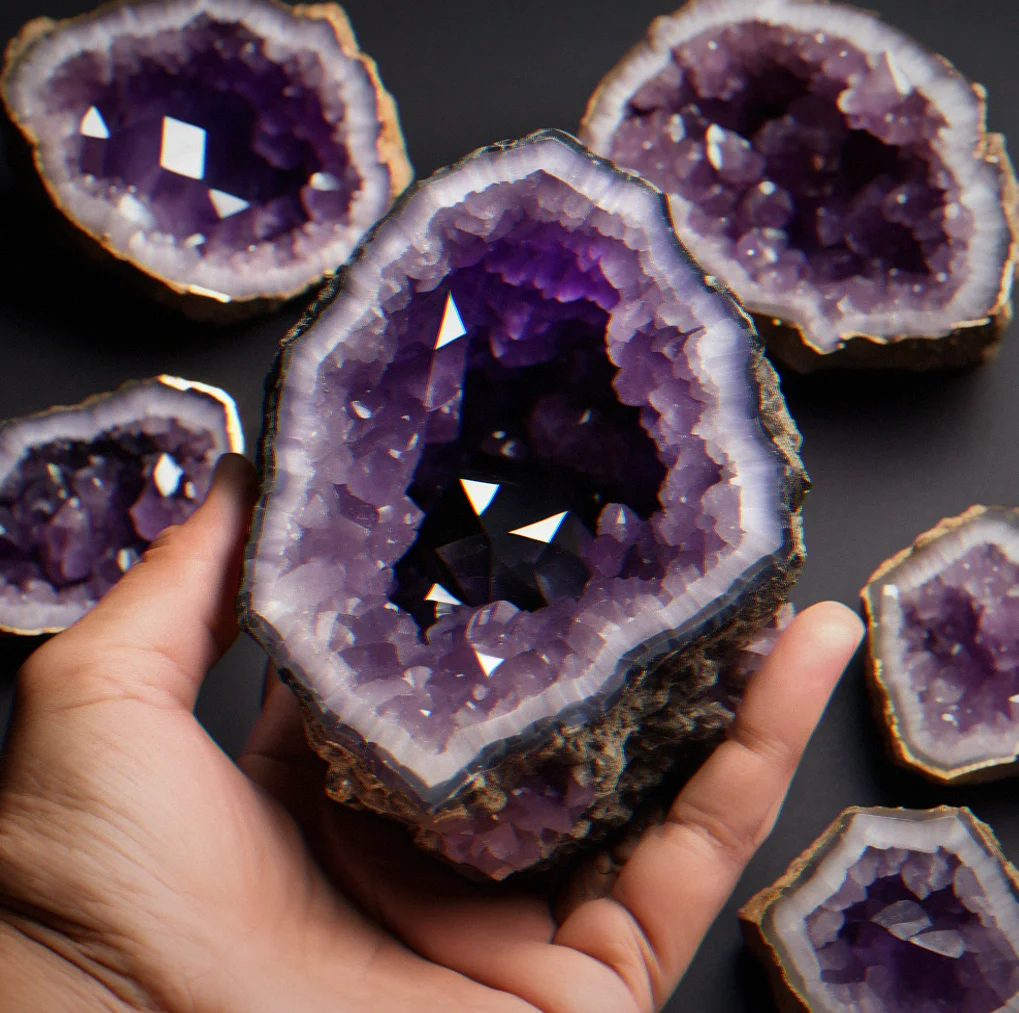
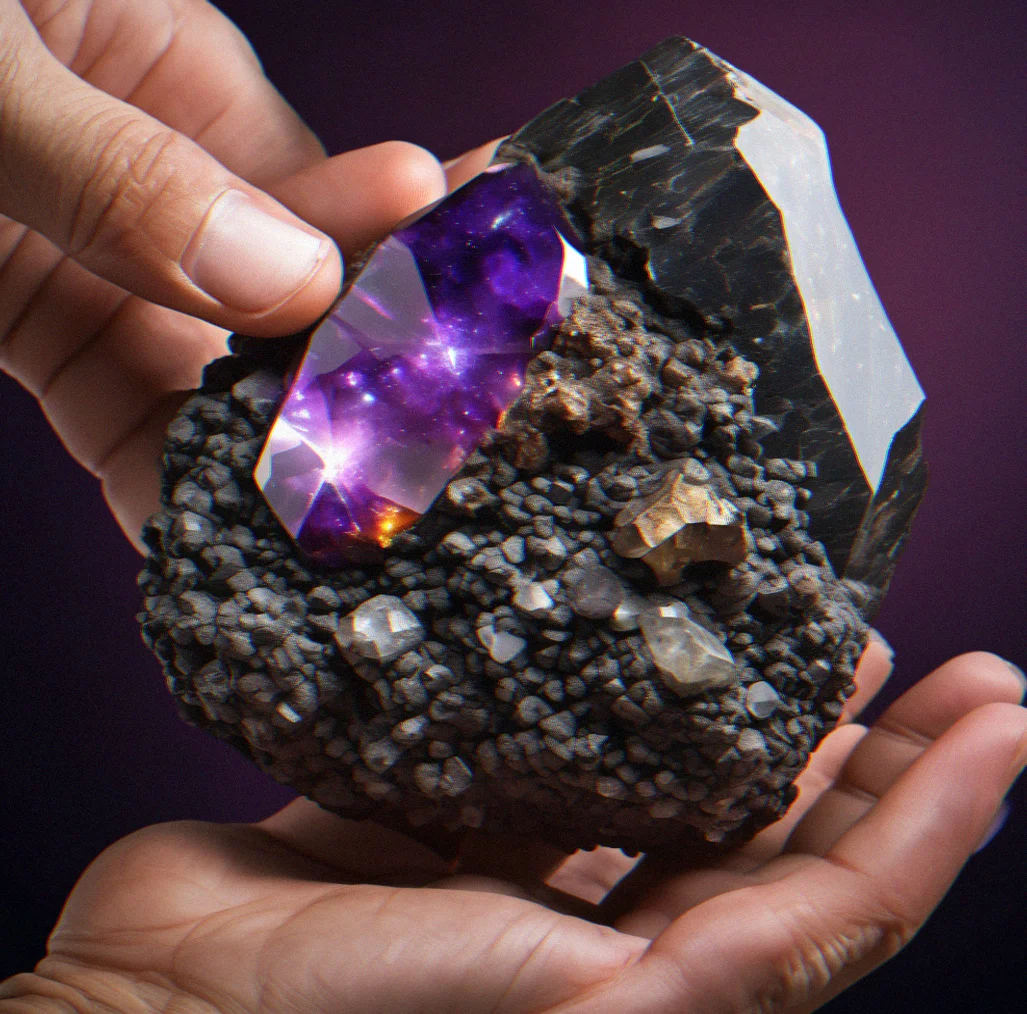
Someone's hands cradling an amethyst geode with the cavity facing up. The fingers give you a sense of scale and the studio lighting brings out the purple tones and the geometric crystal points inside.

Amethyst geode — documentation with scale

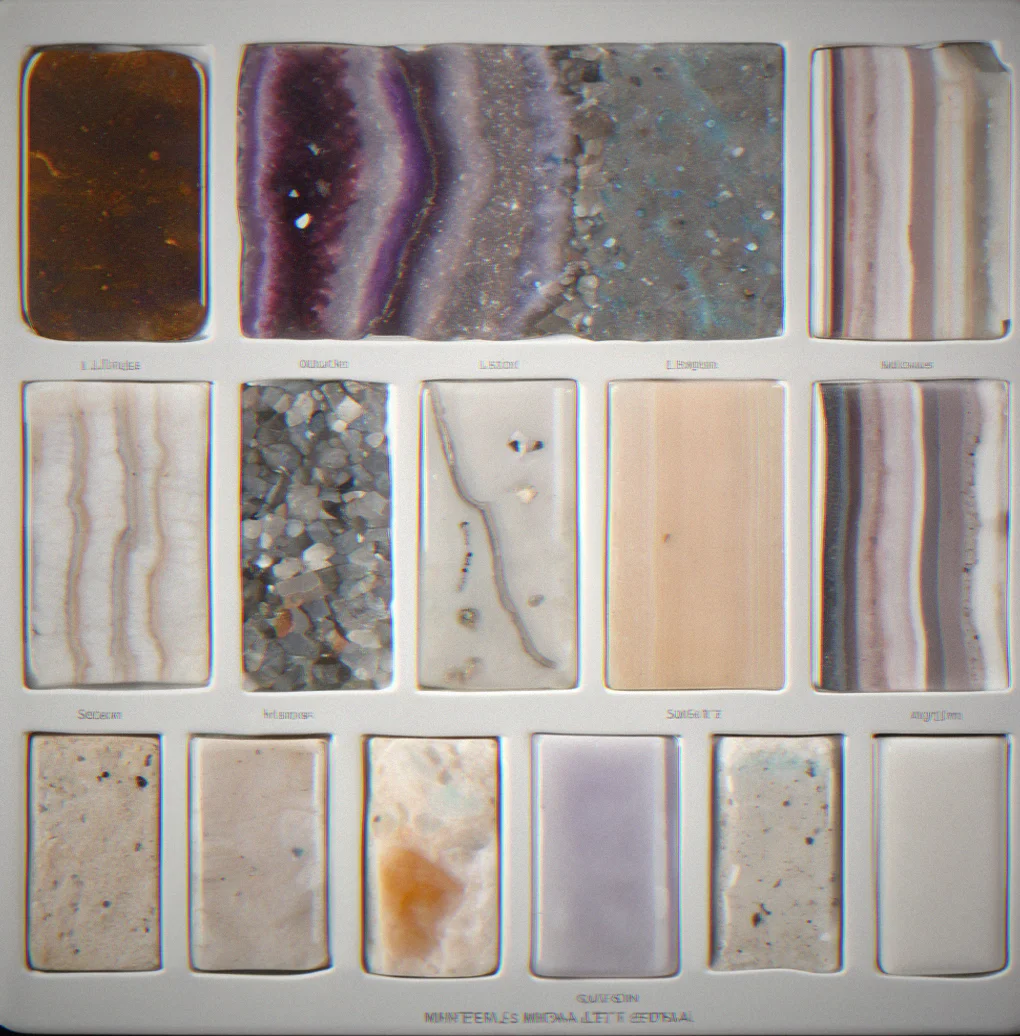
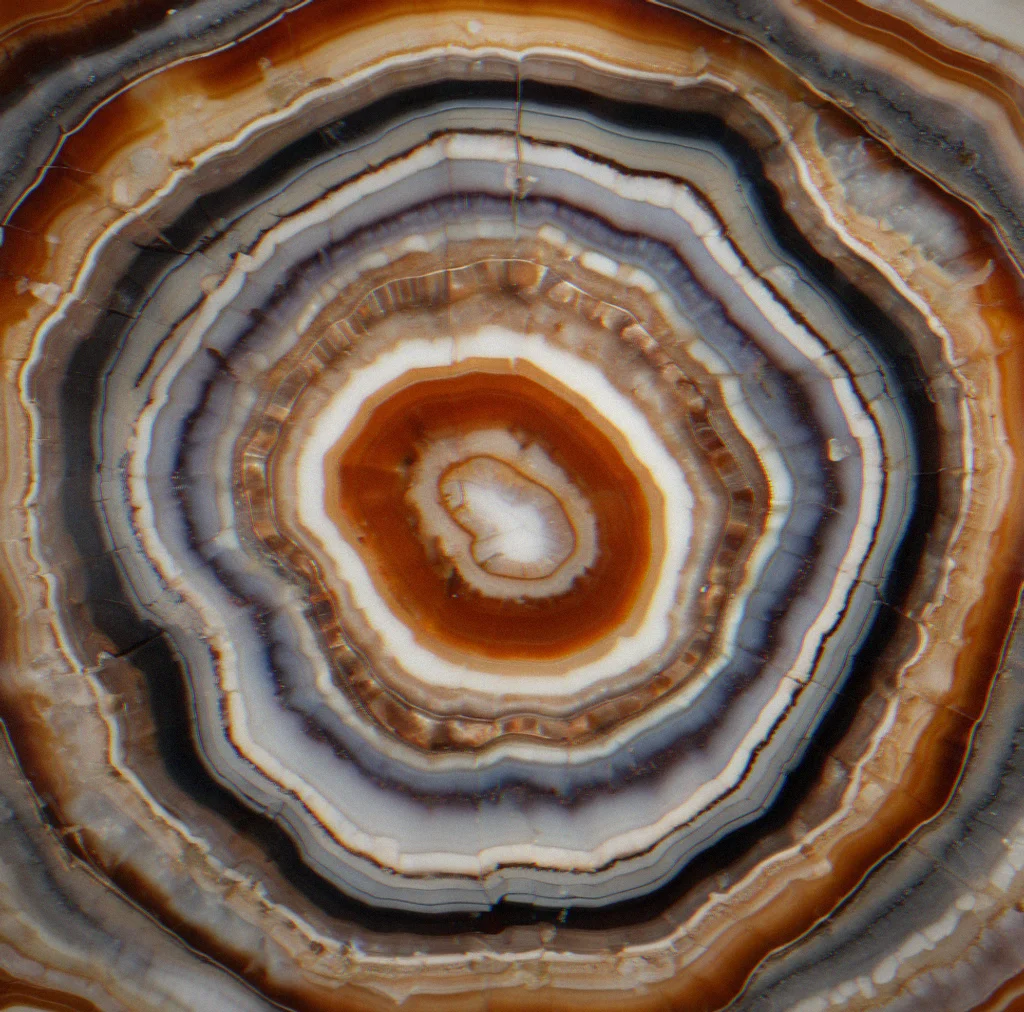
Polished agate slice showing concentric bands in rust, cream and gray. Each band represents a different crystallization event—separated in time, formed as mineral availability shifted.

Agate slice — a record of time

Meteorite in a display case with the characteristic Widmanstätten pattern visible—geometric iron and nickel crystalline structure that formed over millions of years as it cooled in space.

Iron meteorite — 4.5 billion years old

Clear quartz point backlit with soft natural light from a window. The clarity is visible throughout, and you can see the color shift from the base to the tip. Dust particles float in the light beam, adding dimension.

Quartz point — light passing through

Specimens and their stories

Every photo captures something specific—light catching on crystal faces, what's hidden inside when you cut through, the feel and weight of something that's been traveling through the earth or space for ages before it ended up with you.

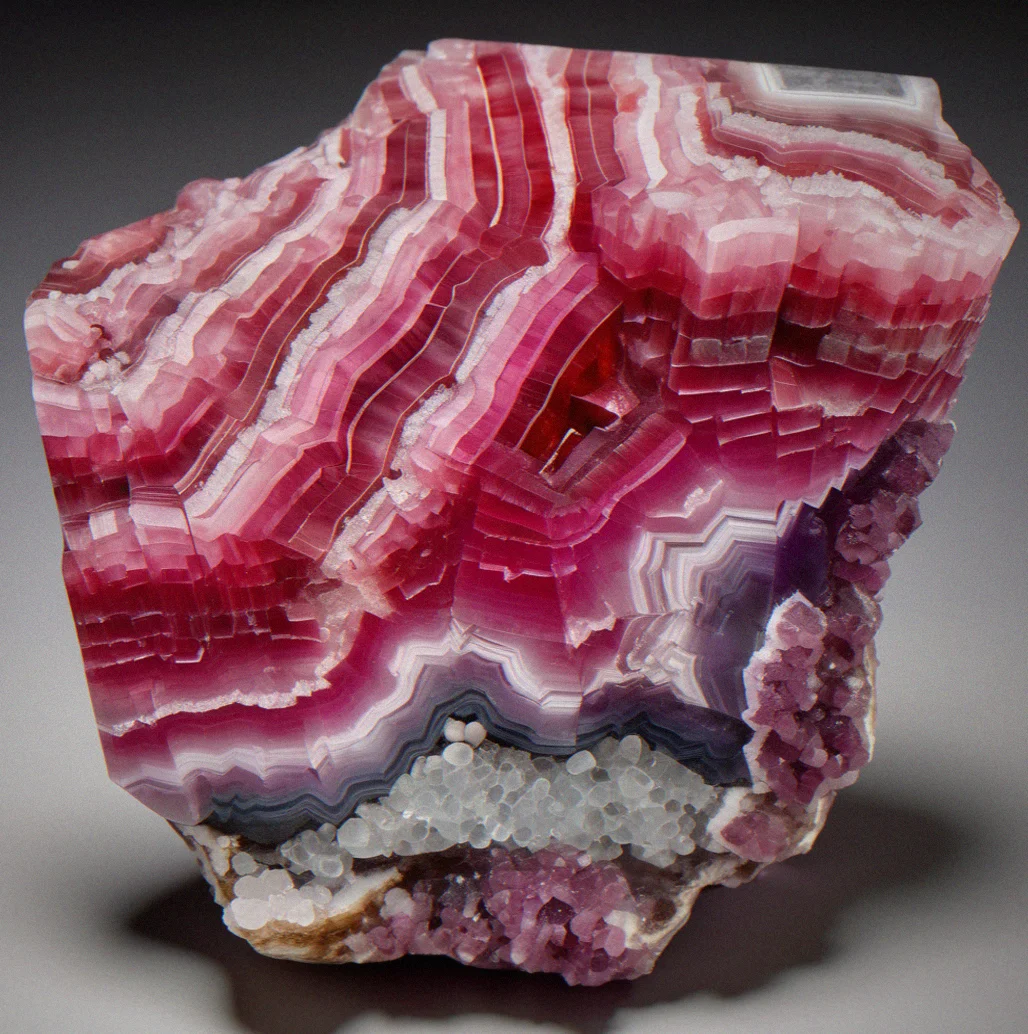
Raw rhodochrosite with those striking pink and white rings running through it, lit from the side so you can really see how thick each layer is and how many times it crystallized one on top of the other.

Rhodochrosite — layered time

Raw rhodochrosite with those striking pink and white rings running through it, lit from the side so you can really see how thick each layer is and how many times it crystallized one on top of the other.

A meteorite resting in someone's hands, its dark fusion crust visible from burning through the atmosphere, showing this otherworldly object next to something human-sized for scale.

Meteorite documentation

A meteorite resting in someone's hands, its dark fusion crust visible from burning through the atmosphere, showing this otherworldly object next to something human-sized for scale.

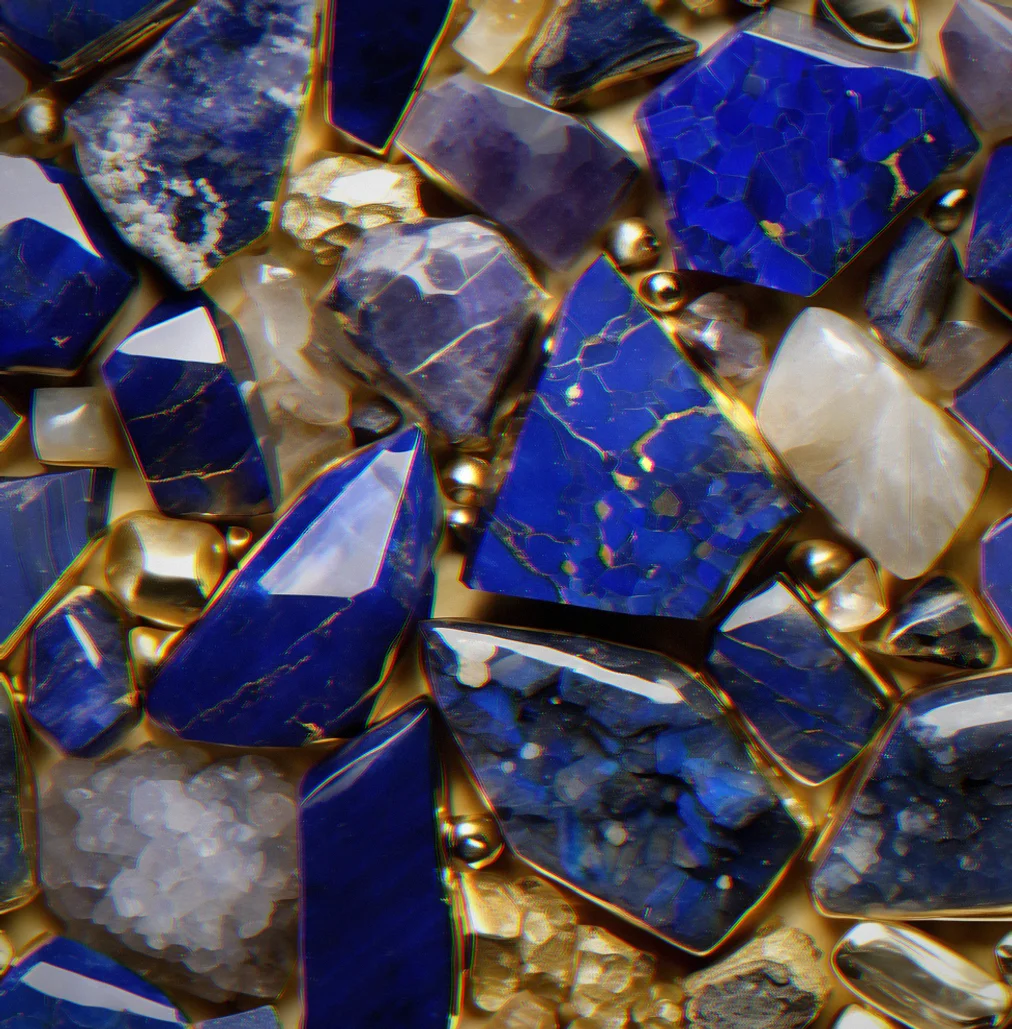
Polished lapis lazuli that's a deep blue with white veins running through it and little flecks of gold scattered around, so you can see right away what minerals make it up.

Polished lapis lazuli that's a deep blue with white veins running through it and little flecks of gold scattered around, so you can see right away what minerals make it up.

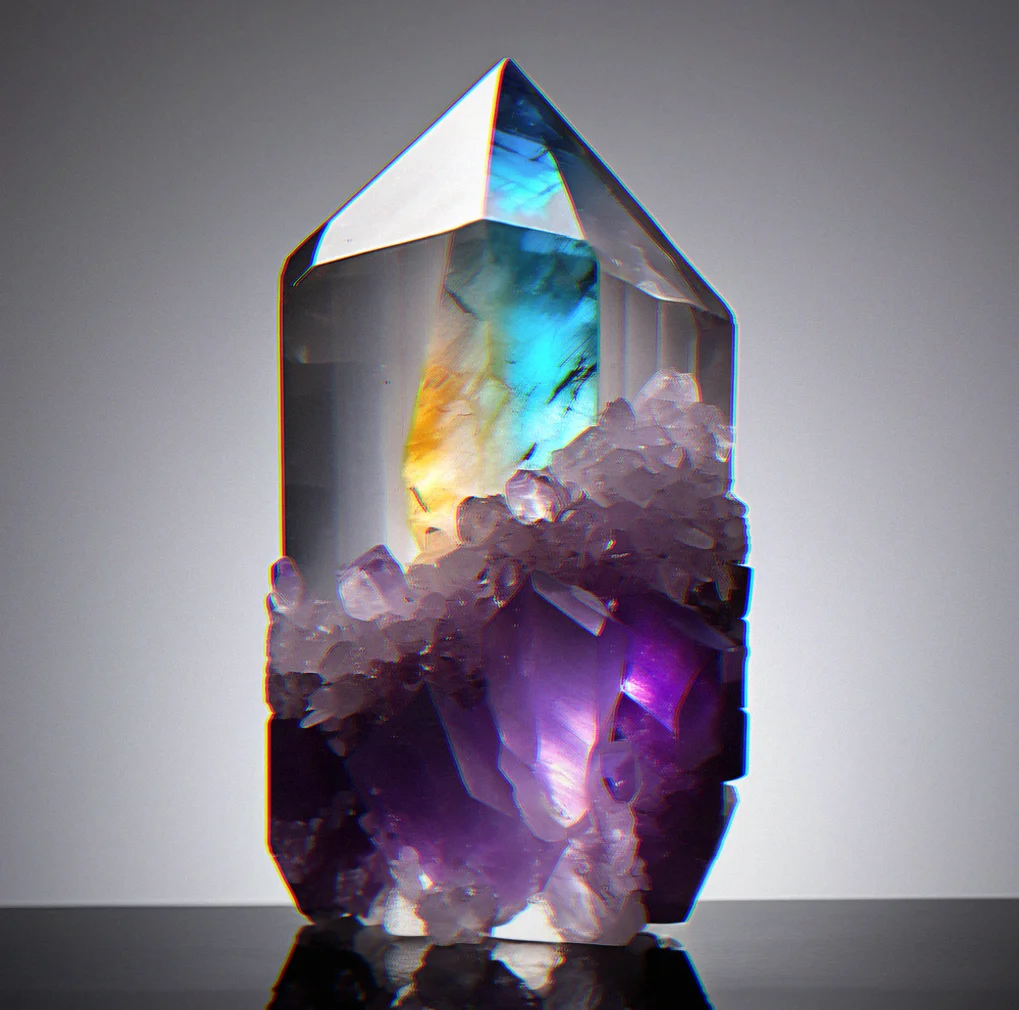
A quartz point lit from behind so you can see the cracks inside and how the color shifts from cloudy at the bottom to clear at the tip, with light spreading through the crystal.

Quartz transparency

A quartz point lit from behind so you can see the cracks inside and how the color shifts from cloudy at the bottom to clear at the tip, with light spreading through the crystal.

?

Common Questions

Before you order

Questions we actually get from collectors. Straight answers about where stuff comes from, whether it's real, how to keep it safe, and what you're paying for.

Apollo specimens come with NASA documentation and chain-of-custody records. We work with dealers registered through the Meteorite and Impacts Advisory Committee, and every lunar sample gets a Certificate of Authenticity listing the specimen number, mission details, and where it was collected. Only about 382 kilograms of authenticated lunar material exists in private collections worldwide, so where it came from actually matters. We don't touch anything without complete paperwork.

We check the origin and how it was extracted before we list it. That means no conflict zones, no small-scale mining operations running bad labor conditions, and nothing from countries with known environmental problems in their mining sectors. Some pieces have fair-trade certification. We reject inventory regularly because the sourcing doesn't meet our bar and yeah, it costs us. That's just how we do it.

Depends on what it is. Amethyst bleaches in direct sunlight—the color goes pale over several years if you leave it in a south-facing window. Keep it out of there. Tourmaline, quartz, and most feldspars don't change. Every specimen comes with care notes that tell you about light, humidity, and temperature. Stick to those and you're fine.

Yeah. You've got 30 days from when it arrives. Look at it under the same light we used for the photos. If the color, clarity or size is off from what the listing said—outside normal range for natural stones—send us photos and we'll sort out a return or swap. Specimens vary a little. A quartz point might have a tiny inclusion we missed in the close-up. But if the color or structure is actually different from the listing, that's on us.

Blurred mineral specimen edge with soft lighting, faded in the background to add subtle depth.

Monthly updates on new specimens and field notes.

Around the 15th each month you'll get what we've actually picked up — new minerals, detailed breakdowns, occasional astronomy stuff, and collection highlights. No marketing nonsense or constant pushing to buy things. Just the material we've sourced and why it matters. You can bail anytime.